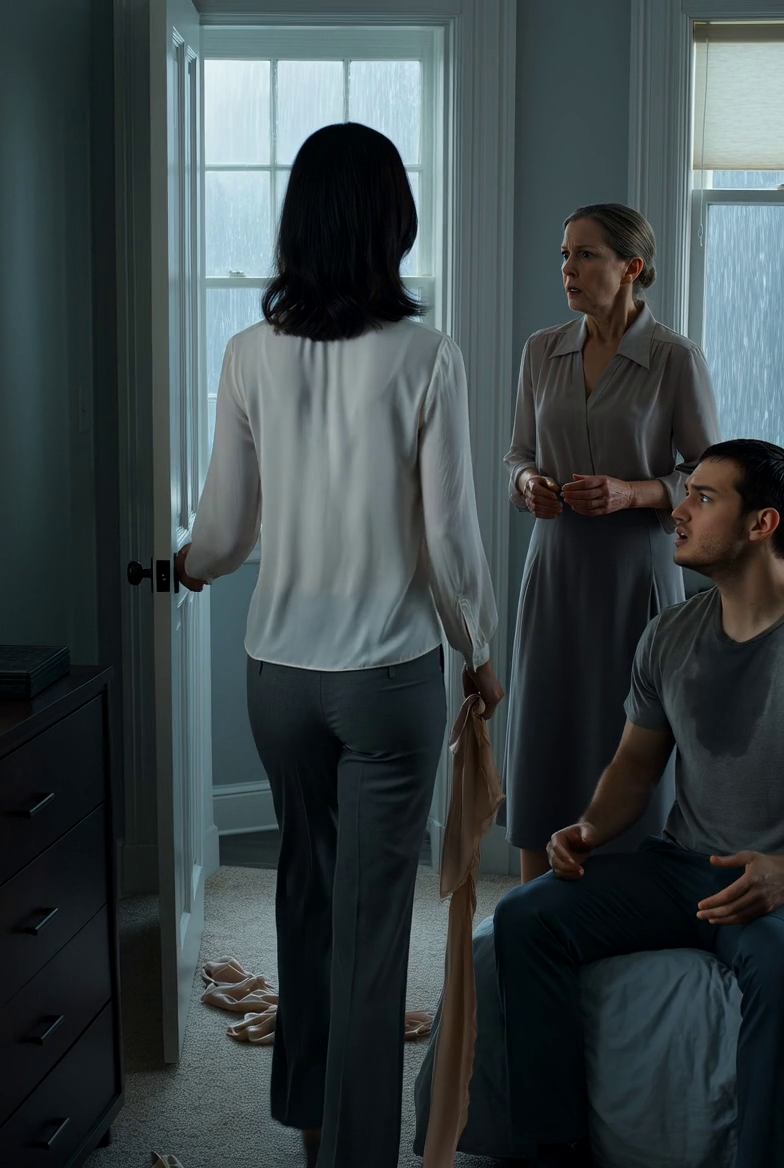
Peter had directed the act and understood what it meant.
The criminal inquiry continued separately.
I learned to distinguish an investigation from a conviction, a court order from vindication, and the rush of a public scandal from the slow work of rebuilding the truth.
I had spent my life in an institution where a wrong signature could endanger people.
I wasn’t going to turn my own case into theater just because Peter had made a theater of our marriage.
By the following spring, the civil court had set aside the fraudulent deed after the parties resolved the authenticity dispute.
The farmhouse remained mine.
Peter resigned from management under a negotiated agreement, and a new sale process began with independent financial review and signatures from the people who actually owned the business.
The disputed proceeds were handled through the settlement and court-supervised arrangements.
A buyer eventually acquired the operating company without my farmhouse, retaining its crews and the services communities depended on after storms.
Our divorce took longer than the sale.
I expected anger to be the hardest part.
Instead, it was the small habits: nearly texting him when I passed a diner we loved, reaching for two cups in the morning, hearing someone call me Miri and turning before I remembered it was no longer a name I wanted from him.
Wren never told me to be strong.
She came to the farmhouse on weekends, fixed a loose porch step, and taught me how to use a little electric drill.
Sometimes we ate dinner without discussing lawyers.
Sometimes we said nothing at all.
On the first anniversary of that Monday in Kansas City, I finished clearing the cedar box on the bedroom dresser.
I put back my mother’s recipe cards, the photographs of Wren with missing front teeth, and the silver compass, newly repaired on its original chain.
I wore it to the porch as the sun fell over the fourteen acres I had almost lost.
Wren came out carrying two plates of lemon cake.
“I made it from Grandma’s card,” she said.
“It’s a little dry.”
“Your grandmother’s was always a little dry.”
She laughed, and I felt the sound settle into the boards of the old house.
Below us, the garden was growing again where Peter had planned a parking lot.
Wren asked whether I missed my old life.
I thought of the guard, the false wife, the paperwork, and the years I had spent trying to prove my devotion by enduring distance without complaint.
“I miss parts of it,” I said.
“But I don’t miss having to ask anyone whether there’s room for me in my own home.”
The compass caught the last light as I stood to go inside.
Its little needle was decorative; it had never pointed north.
For years I had worn it as a reminder of people who trusted me to bring them home.
Now it reminded me that I was allowed to come home, too.