The morning my husband gave up his children, he checked his watch three times before he signed the custody agreement.
Not once did he ask where they would sleep that night.
Not once did he ask how our son was handling the divorce or whether our daughter still cried when she heard footsteps approaching the front door.
He only wanted to know when he could leave.
My name is Leona Vale.
I’m thirty-eight years old, a restoration architect, and until that Thursday morning in Seattle, I had spent ten years married to a man I believed was capable of loving someone other than himself.
My husband, Conrad, had other plans.
His mistress, Celeste Arden, was pregnant.
She was thirty-one, ambitious, elegant, and apparently convinced that replacing a wife and two children was as easy as moving into a better house.
Conrad agreed.
He had already called her unborn child the beginning of a new generation of the Vale family.
Our son Theo was ten.
Our daughter Mae was seven.
Apparently, their generation no longer counted.
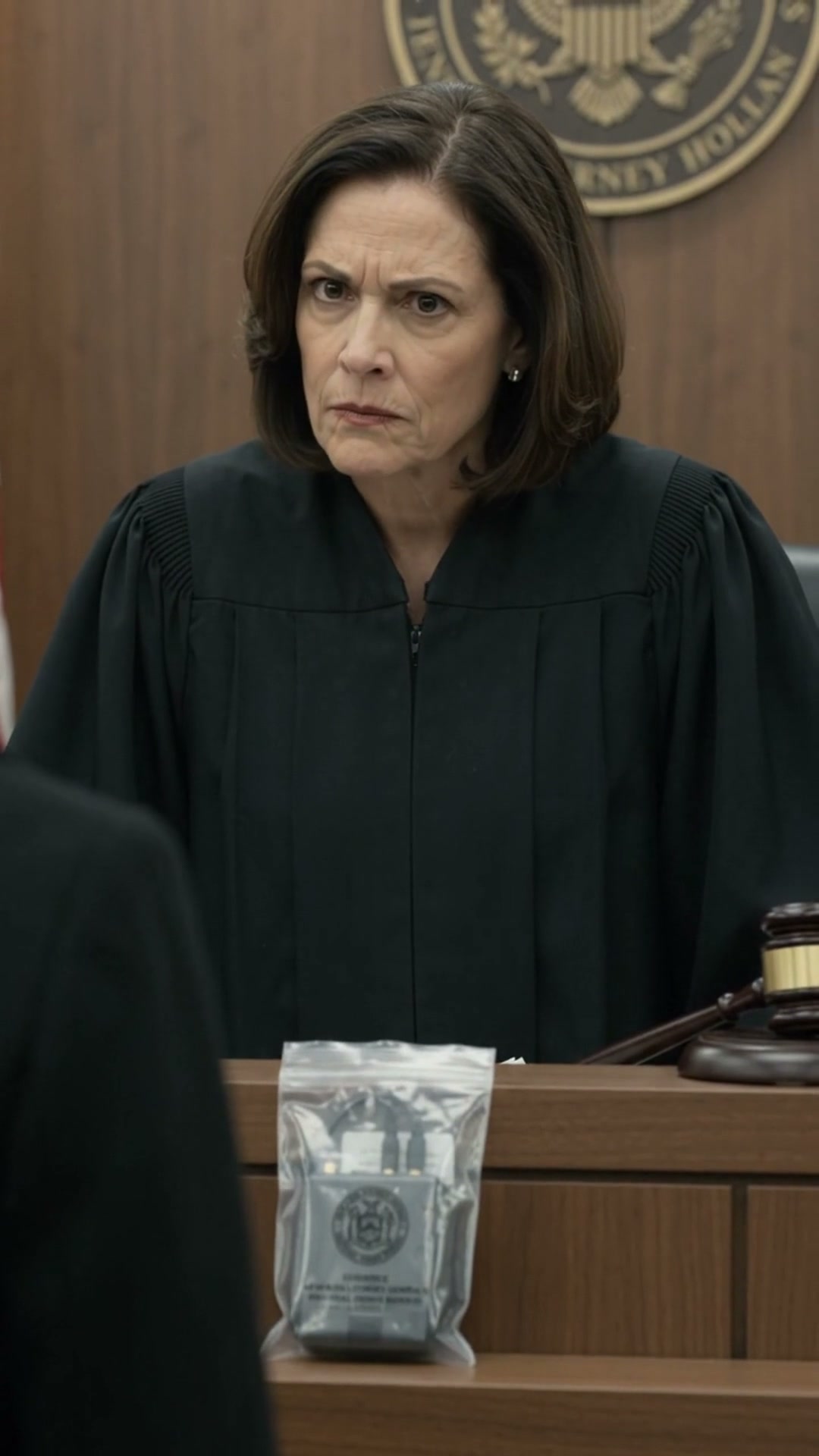
The divorce hearing had ended earlier that morning.
By the time we reached the conference room to collect our finalized documents, Conrad seemed almost cheerful.
His attorney, Martin Shaw, organized the court-approved paperwork while my attorney, Naomi Reed, checked the accompanying financial disclosures.
Conrad didn’t bother sitting down.
“Keep the children,” he told me.
“I’ve already wasted enough of my life being somebody’s father.”
I looked at him across the table.
“Is that really what you want them to remember about you?”
He shrugged.
“They’re young.
They’ll get over it.”
I thought about Theo waiting by the front window every Friday evening because Conrad had promised to take him swimming.
I thought about Mae drawing pictures of our family with one figure increasingly farther away from the others.
Children don’t simply get over being abandoned.
They learn to carry the questions in silence.
But I refused to plead for a father who had already decided they were an inconvenience.
Instead, I placed two passports on the conference table.
“We’re leaving for Edinburgh tonight.”
Conrad’s expression changed.
“Excuse me?”
“I accepted a restoration contract there.
My grandmother left me a small apartment in the city, and the children have places at a school near it.”
“You can’t take my children to another country.”
Naomi slid the approved parenting agreement toward him.
“Mr.
Vale, the international relocation provision was discussed during negotiation.
It is included in the final court-approved plan.
You signed the separate travel consent as well.”
Conrad frowned.
“I signed a lot of things.”
“Your attorney explained the destination, your proposed contact schedule, and the implications of the relocation at our meeting twelve days ago,” Naomi replied.
Martin nodded reluctantly.
“I did, Conrad.
You said you wanted the arrangement finalized immediately.”
Conrad stared at his lawyer.
Then he looked at me.
“You planned this.”
“I prepared for it,” I corrected.
There was a difference.
I hadn’t made Conrad abandon his children.
I had simply stopped allowing his indifference to determine where the rest of our lives could begin.
His mouth twisted.
“And where are you getting the money? Don’t tell me you think you can maintain your lifestyle on an architect’s salary.”
“I don’t need our old lifestyle.”
“You’ll be back in a month.”
Perhaps