The garden remained untouched.
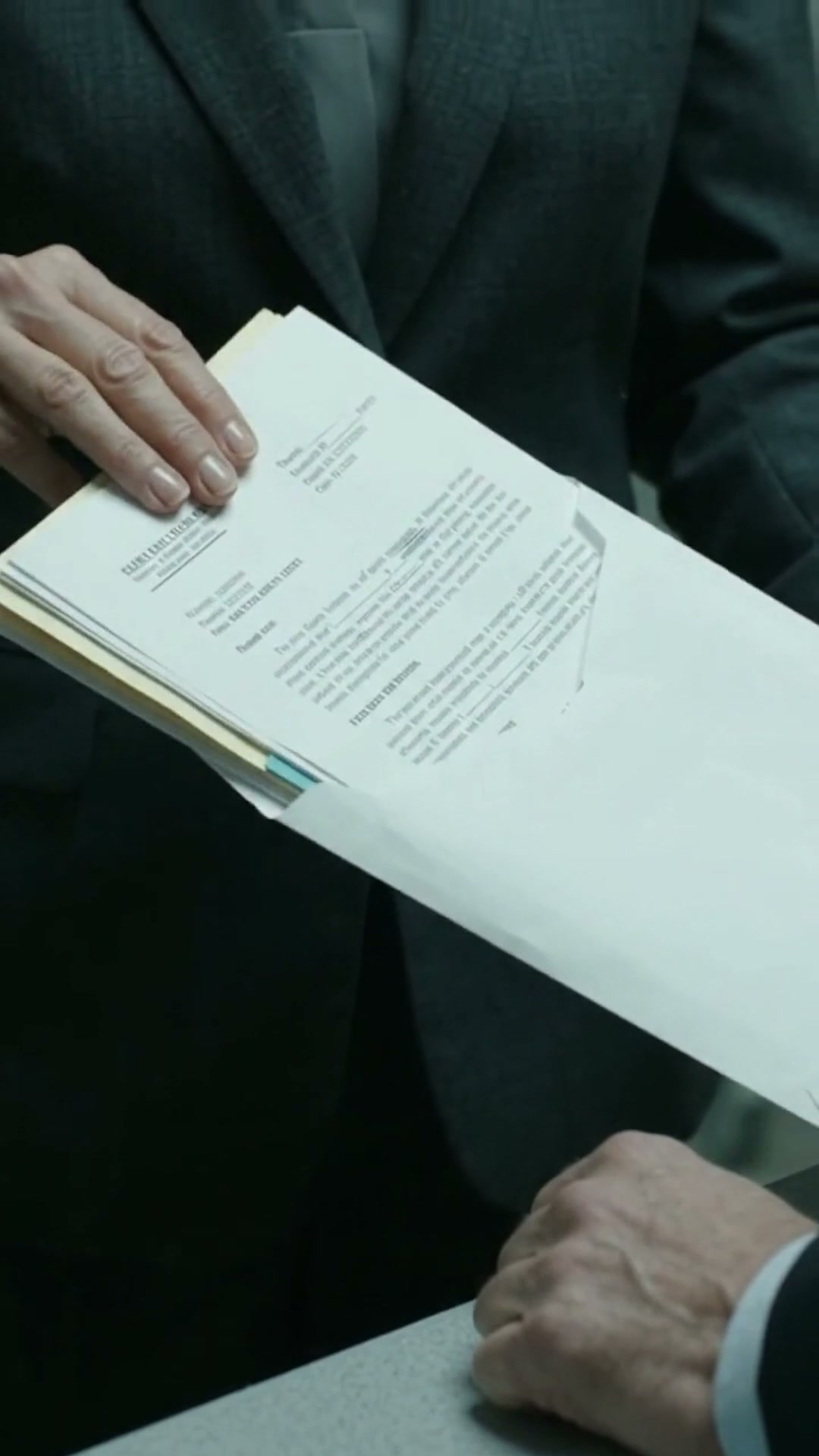
The investigation into the documents continued for several months.
Financial records eventually showed that Gloria’s private consulting business had an agreement to receive a substantial success payment if the disputed access route was secured.
Investigators also traced communications in which she pressed the development team to move quickly before Amara could become involved in local proceedings.
Gloria was charged in connection with the fraudulent documents.
She later entered a guilty plea to fraud-related offenses under an agreement requiring restitution and her cooperation in identifying how the signatures were produced.
The developer withdrew the disputed land submissions and redesigned its access plan using property it could lawfully acquire or control.
Sergeant Rusk was placed on administrative leave, and the department ultimately terminated his employment following a disciplinary review.
The findings included serious failures to verify readily available information, an arrest unsupported by the documented facts, and material inaccuracies in his incident report.
The separate investigation into his relationships with development contractors was referred for prosecutorial review.
Amara did not pretend those decisions erased what had happened.
Her wrists healed within days.
Her trust in the ease with which an ordinary homeowner could obtain fair treatment took considerably longer.
She and Camille pursued a civil rights claim against the city.
The eventual resolution included monetary compensation, a public acknowledgment of investigative failures, and departmental changes addressing verification of property-related complaints and preservation of recordings.
Amara directed much of the compensation toward a local legal assistance program for residents who could not afford representation during housing and civil rights disputes.
When a reporter asked why she had not simply announced her rank at the beginning, Amara answered with the same calm expression she had worn in the garden.
“Because I had already told him the only thing he needed to know.
I was the homeowner.”
Officer Soto also faced review for failing to challenge the arrest more forcefully.
Her candid statement and the footage she preserved were considered during the process, and she was required to complete additional training.
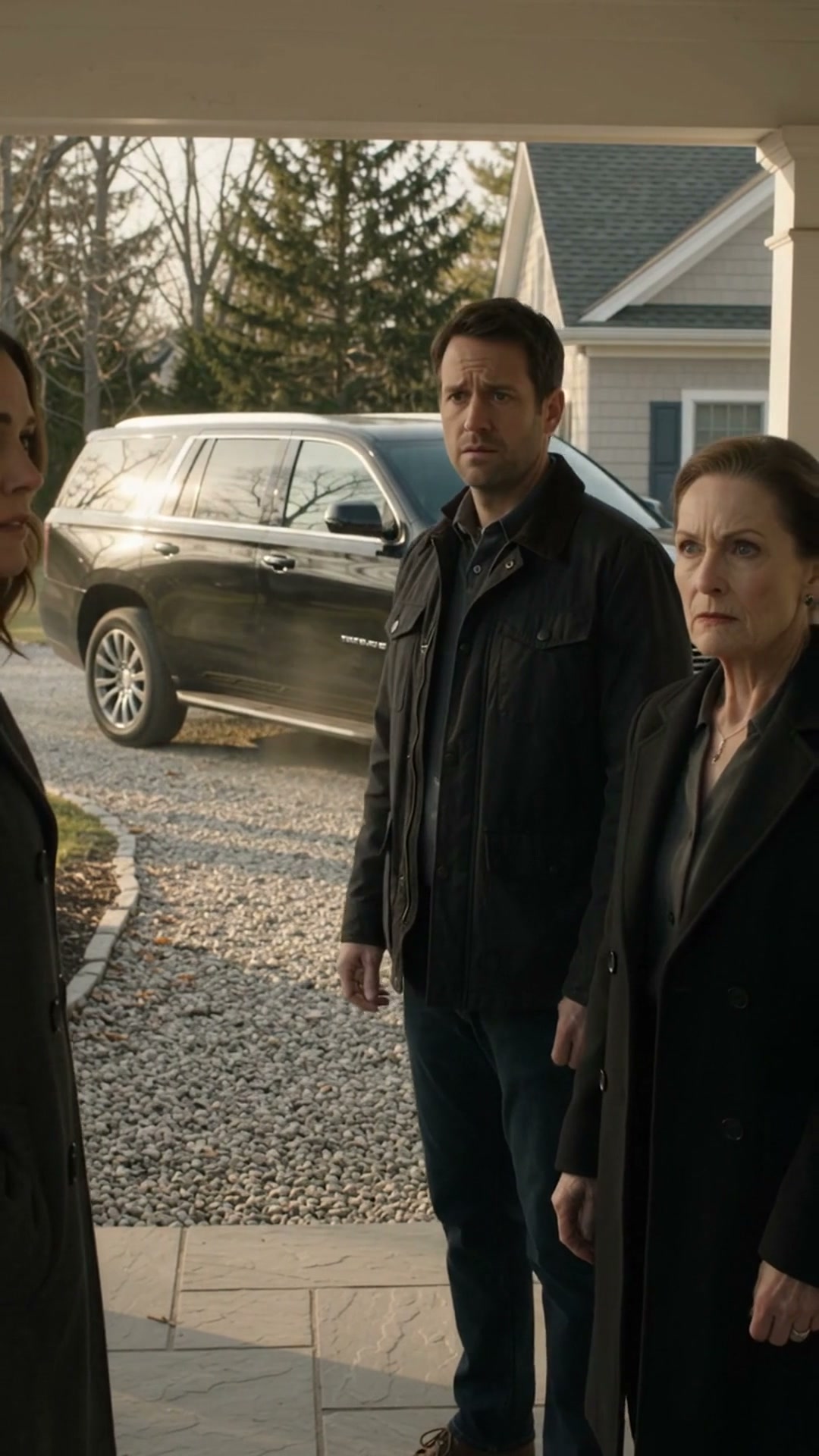
Several weeks afterward, Soto came to the Bennett house on her day off.
She wore jeans and carried a small potted rosebush.
Amara opened the door and recognized her immediately.
“Officer Soto.”
“Elena, please.
I’m not here in an official capacity.”
Soto held out the plant.
“I wanted to apologize.
You were asking us to do something simple, and I didn’t speak loudly enough.”
Amara considered the young woman for a moment.
“You told the truth afterward.
That mattered.”
“It should have mattered sooner.”
“Yes,” Amara said.
“It should have.”
Soto lowered her eyes.
Then Amara stepped aside.
“Would you like to help me find somewhere to plant that?”
They spent the next forty minutes working beside the front walkway.
Soto dug a hole while Amara loosened the roots.
They talked about the garden, Louise’s old house, and the difficulties of making responsible decisions when someone with authority was giving the wrong orders.
Amara did not offer a speech about forgiveness.
She offered the young officer an opportunity to practice doing something right.
By September, the roses were blooming again.
Amara had arranged for the property to host a monthly neighborhood gardening program where local students could learn horticulture, care for plants, and hear stories about the people who had