can write your own report when you’re in charge.”
Amara looked from the young officer to the sergeant.
She understood exactly what Soto was experiencing.
The pressure to obey a senior person, even when the facts were beginning to contradict him, could be overwhelming.
But silence carried consequences.
“Officer Soto, did your camera record me offering to retrieve my identification?”
“Yes, ma’am.”
“Please preserve it.”
Rusk gave a humorless laugh.
“You expecting somebody important to come rescue you?”
“No,” Amara answered.
“I’m expecting the law to apply to me the same way it applies to everybody else.”
Then she requested her telephone call.
Her first call was to Camille Price, a civilian attorney who had handled her mother’s estate.
Camille was preparing for a meeting when Amara explained what had happened.
There was a pause.
“Amara, are you injured?”
“My wrists hurt.
Nothing more serious that I know of.
Bring the certified deed and notify the department’s watch commander.
I also need you to check the association’s authorization.”
“I’ll handle the property documents.
Do not sign anything without reviewing it with me.”
Amara then contacted Colonel Hannah Webb, her chief of staff.
“Hannah, I’ve been detained by the Harbor Glen Police Department.
I’m safe.
Please rearrange tomorrow’s briefing and confirm my travel itinerary for Tuesday.”
The silence on the other end was unusually long.
“General, what happened?”
“A homeowner dispute, an officer who refused to verify ownership, and what appears to be a forged document.”
“Should I send the security team?”
“No.
There’s no need for a military response to a civilian police matter.
Camille is handling the legal side.
I just need our records preserved and my schedule covered.”
Hannah agreed, though her concern was unmistakable.
Thirty-five minutes later, Camille entered the station alongside Deputy Chief Luis Navarro.
Navarro was a broad-shouldered man in his early fifties who had spent twenty-seven years in law enforcement.
He looked irritated when he arrived, apparently expecting another complaint about a routine arrest.
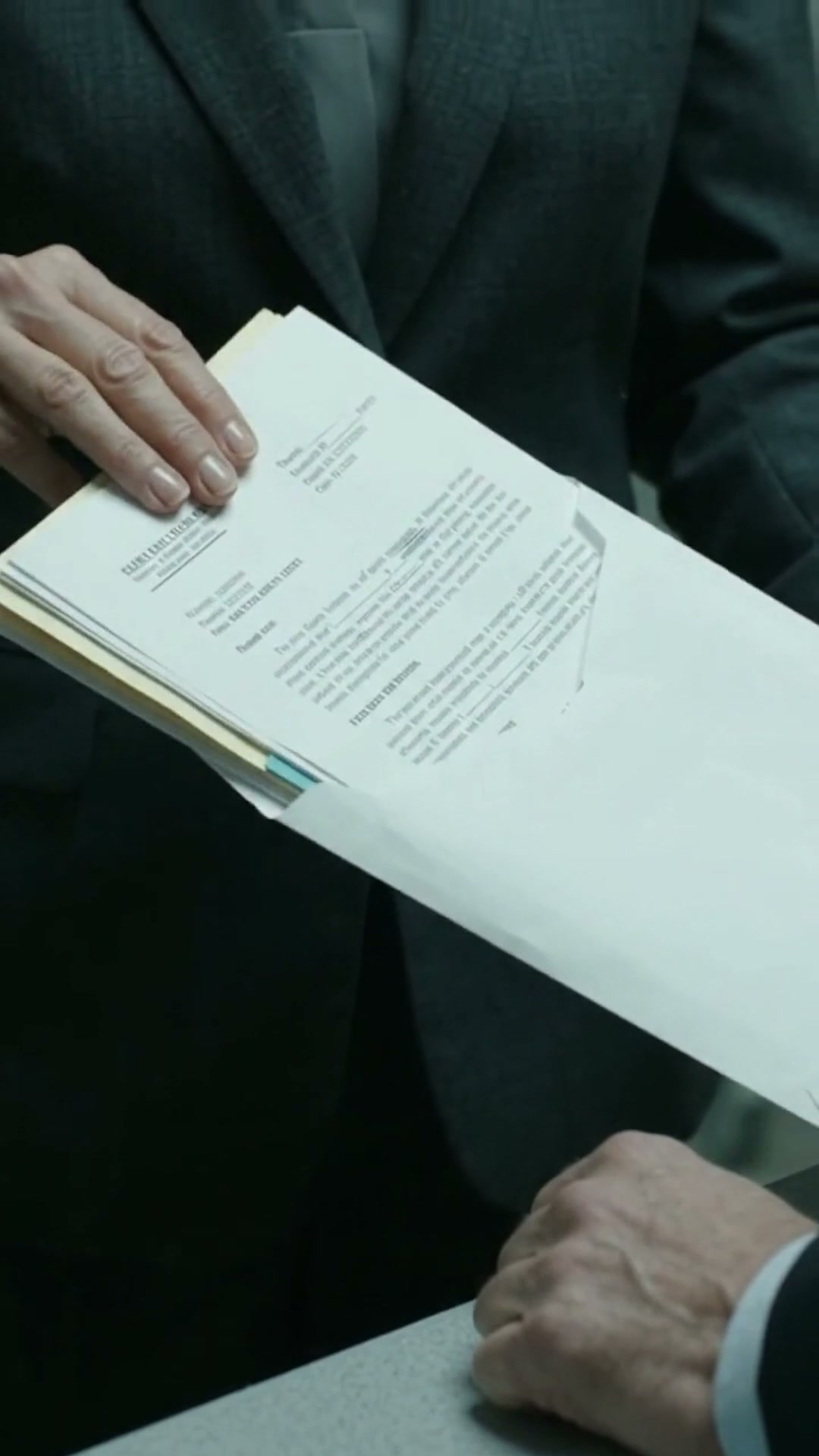
Camille placed a certified deed on the desk.
“The property is owned by Amara Louise Bennett.
The county recorded this transfer on May 18.
The neighborhood association has no ownership interest or recorded authority over the parcel.”
Navarro inspected the document.
Then Camille provided Amara’s identification from her personal belongings, with Amara’s consent.
He looked at the military credential.
His shoulders straightened.
“General Bennett?”
Rusk laughed from the doorway.
“General? What kind of general?”
Navarro raised his eyes.
“A four-star general in the United States Army, Sergeant.”
The booking room fell silent.
Rusk looked at Amara, then at her faded green shirt and dirt-stained trousers.
His face changed color.
“She never said that.”
“I said I owned the house,” Amara answered.
“That was the fact you were supposed to investigate.”
Navarro ordered the arrest reviewed immediately.
He also directed that the body-camera recordings, dispatch audio, original documents, and station video be preserved for an independent investigation.
The charges were withdrawn after the department confirmed the property records and found no adequate basis for the arrest.
Before leaving, Amara asked a staff member to photograph the marks on her wrists as evidence.
Navarro offered an apology.
“General, I can assure you this is not how our department intends to operate.”
“Then your review needs to determine why it operated this way