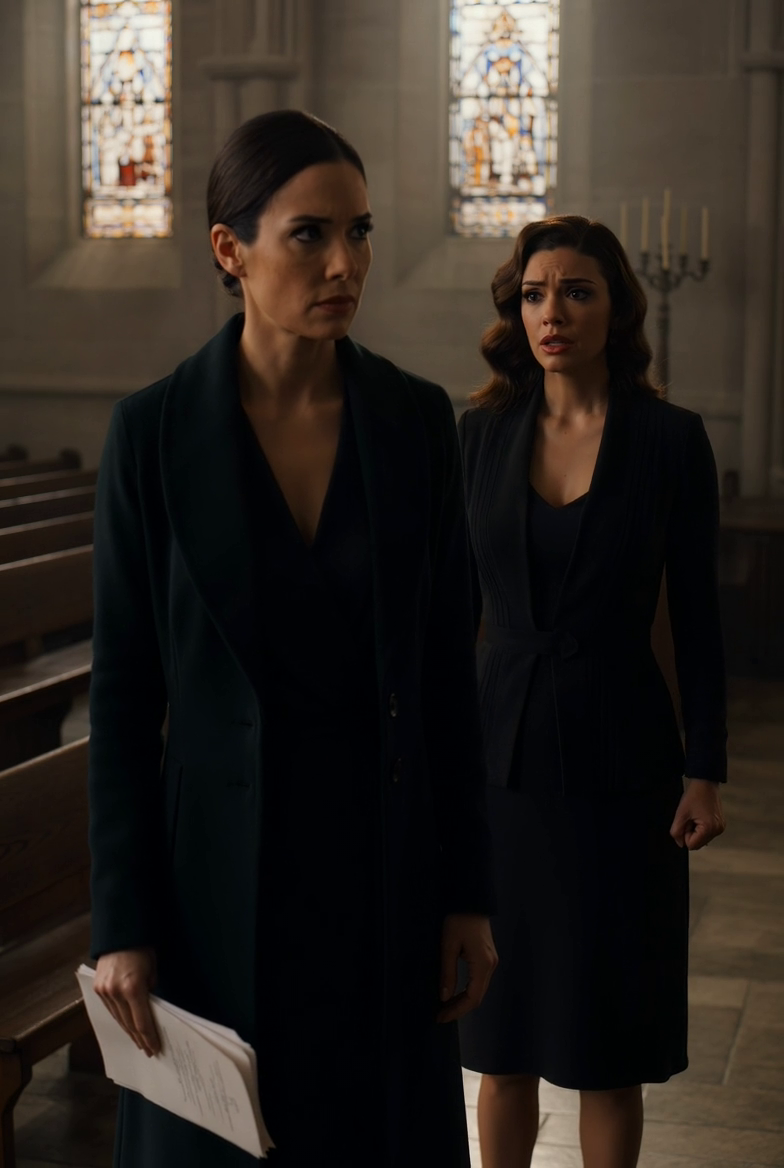
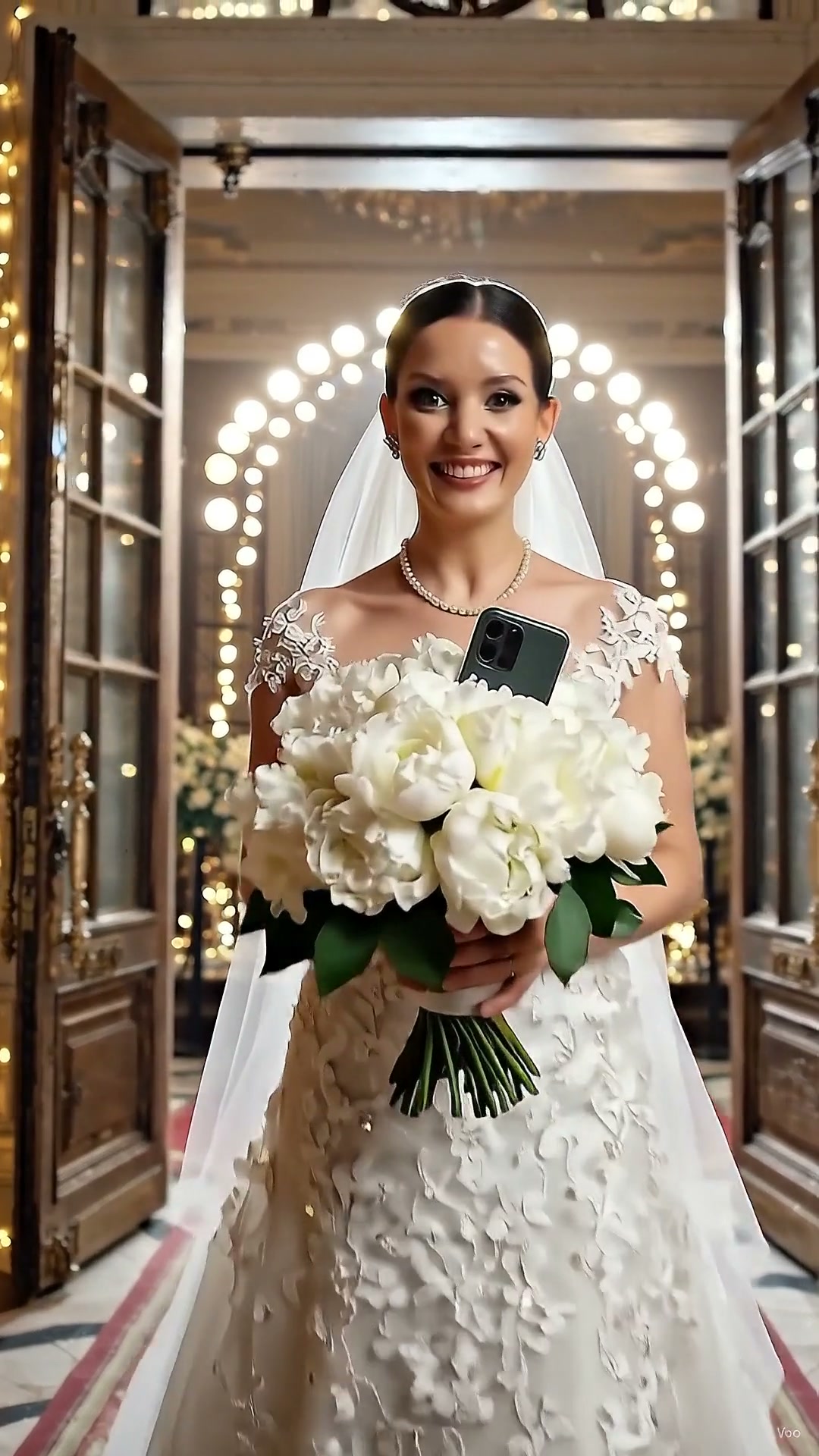
his phone.
“Lucas has made his decision,” she said sharply.
“Stop humiliating yourself.”
“Who are you?” I demanded.
The line disconnected.
I had never met most of Lucas’s family.
He rarely spoke about his wealthy father, a respected physician, or his older sister, Rebecca.
He said family money had caused arguments he preferred to leave behind.
I didn’t know where to find them.
I sent a letter to an address Lucas had once mentioned.
It came back marked undeliverable.
For weeks, I cried in the apartment where we had planned our future.
Eventually, I couldn’t afford the rent alone.
I moved into a basement room rented by a retired school cafeteria worker named Mrs.
Alvarez.
She charged me less than the market rate and pretended not to notice when I ate crackers for dinner.
I took extra shifts at the pharmacy and cleaned offices on weekends.
At my first ultrasound appointment, the technician asked whether someone would be joining me.
I shook my head.
She turned the monitor so I could see the tiny movement on the screen.
“There’s your baby’s heartbeat.”
I cried that entire bus ride home.
By my seventh month, I no longer expected Lucas to return.
I stopped imagining what he would say if he saw my growing stomach.
I stopped checking his social media accounts.
I stopped hoping a familiar voice would call in the middle of the night.
But I never deleted the photograph of him holding those ridiculous yellow socks.
On that freezing Tuesday, labor began before dawn.
Mrs.
Alvarez wanted to accompany me, but her arthritis was especially painful, and I insisted she stay home.
I promised to telephone when the baby arrived.
At the hospital, a nurse named Ana Wilkes guided me into a wheelchair.
“Anyone coming to support you?” she asked.
“Maybe,” I answered automatically.
It was easier than explaining that the father of my child had disappeared without giving me the chance to ask why.
My labor lasted fourteen hours.
There were moments when the pain seemed endless.
I gripped the bedrail, followed Ana’s breathing instructions, and thought about the women who had done this before me without anyone beside them.
During one particularly difficult contraction, I whispered that I couldn’t do it anymore.
Ana held my hand.
“You don’t have to do the whole day at once,” she told me.
“Just this breath.”
I held onto those words.
At 5:42 that evening, my son was born.
His first cry filled the delivery room.
I fell back against the pillows, exhausted and trembling.
“Is he okay?” I asked.
“Strong lungs, good color,” Ana answered.
“He’s doing beautifully.”
Then Dr.
Michael Bennett entered.
He had been supervising the obstetric team after a brief concern about the baby’s heart rate during labor.
Now that the delivery was complete, he came to check that everything was stable.
He was a tall man in his late fifties, with silver hair and the careful manner of someone accustomed to emergencies.
Ana had just adjusted the baby’s blanket when Michael noticed a small mark beneath his left ear.
It was shaped like a crescent moon.
Michael froze.
He leaned closer, then stepped back.
“No,” he whispered.
He gently asked Ana to turn the baby slightly so he could see the mark more clearly.
His eyes