me through long deployments.
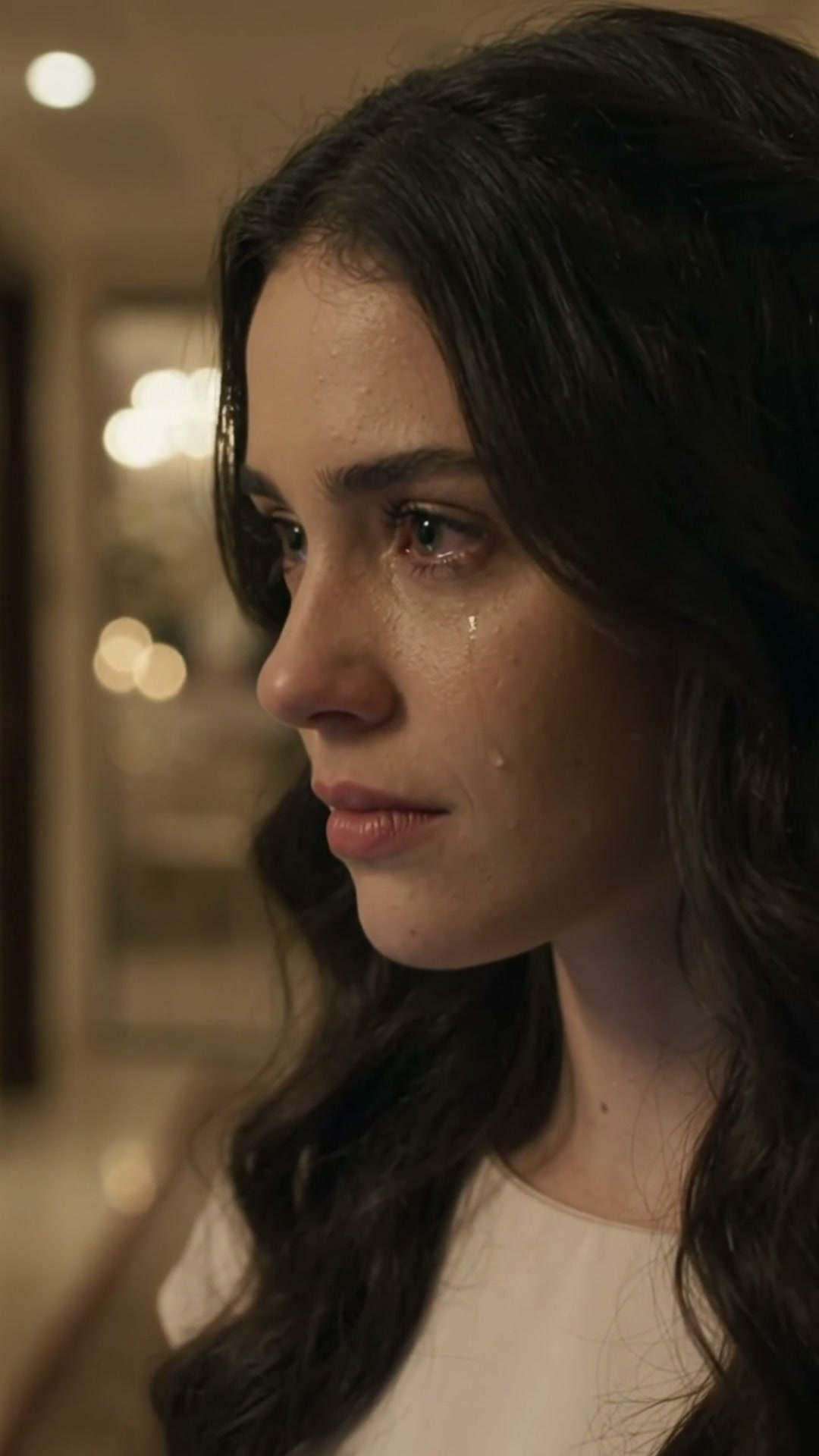
The woman who sent me photographs of sunsets because she knew I missed home.
The woman who had once fallen asleep on my shoulder during a movie and apologized when she woke up, even though I had been perfectly happy sitting still for hours.
They had hurt her.
They had taken our child from us.
And now they were laughing.
I took one slow breath.
“You’re wrong about two things,” I said.
“I’m not just a soldier.
And I don’t come alone.”
Richard laughed.
That was when the phones began ringing.
First one of his sons glanced down at his screen.
Then another.
A third stepped away to answer his call.
Their expressions changed as they listened.
Confidence gave way to confusion, then to something much closer to fear.
Through the glass doors at the end of the corridor, red and blue lights began flashing against the walls.
A convoy had arrived.
County sheriff’s vehicles pulled up first, followed by state investigators and unmarked cars.
Officers entered the hospital while several of my fellow soldiers came behind them, there to support me and stand as witnesses, not to take the law into their own hands.
The lead detective approached Richard with a folder.
“Mr.
Harrington, we need to discuss the assault on your daughter-in-law.”
Richard tried to brush her off.
He insisted that the matter was private and that nobody had the right to question his family.
Detective Alvarez did not raise her voice.
She simply began listing the evidence.
There were medical findings documenting Tessa’s injuries.
There were witnesses who had heard the confrontation.
There was security footage from a neighboring property.
And there were threatening messages sent before the attack.
One message had been sent by Richard himself.
MAKE HER SIGN THE PAPERS TONIGHT.
NO MORE EXCUSES.
The words were connected to a dispute over Tessa’s inheritance.
Her late mother had established a trust for her, and Richard had been pressuring her to surrender control of it.
Tessa had refused to sign the documents he brought to the house.
The detectives were still establishing the exact sequence of events, but the message gave them a critical lead.
One of Richard’s sons blurted out that the security cameras were supposed to be broken.
His father turned on him so sharply that everyone in the corridor noticed.
The detective wrote down the remark.
Richard’s confidence began to crumble.
“This is a setup,” he shouted.
“That soldier has turned everyone against us!”
I stepped forward, keeping my hands at my sides.
“Nobody turned you against yourselves,” I said.
“You made your choices.
Now you have to answer for them.”
The officers separated the men for questioning.
Investigators explained that any arrests and charges would depend on the evidence and each person’s individual involvement.
Richard demanded to speak to his lawyer.
His sons stopped laughing.
I watched them go without touching a single one of them.
I wanted answers.
I wanted accountability.
But the most important person in that building wasn’t standing in the hallway arguing with detectives.
She was behind the ICU doors, fighting to live.
The doctor returned a short time later and told me that Tessa’s condition had stabilized.
The next day would be critical, but there was reason to hope.
I went back to