children play there.
Your lender needs a workable access arrangement before the financing closes, and the alternative would cost you more money.”
Vivian’s face hardened.
“Do you have any idea what delay costs a project this size?”
“Yes.
And I know your company has another option.”
I showed the room the preliminary application.
“Someone represented to the planning office that I had consented.
Someone signed my name.”
Graham’s uncle, a retired accountant who had worked for the family business, leaned forward.
“Are you saying this was filed without your authorization?”
“Exactly.
My attorney has already disputed it in writing.”
Vivian drew herself up.
“That application doesn’t transfer property.
It’s preliminary.”
“Correct,” I said.
“Which makes me wonder why someone needed to lie on it.”
I looked at Graham.
“Who copied my signature?”
He said nothing.
“Graham?”
His face was ashen.
“Mom said it was only preliminary paperwork.
She said we would get your approval before the final agreement.”
For a moment, nobody moved.
Then Clara spoke.
“Graham, tell the truth.”
He shut his eyes.
“I signed it,” he whispered.
A chair scraped against the floor.
I could hear Ivy making happy sounds in the next room, unaware that her father had just admitted forging her mother’s signature.
“You copied it from our prenuptial agreement,” I said.
He looked at me in surprise.
“How did you know?”
“Because I know my own handwriting.”
Vivian reached for his arm.
“You don’t have to answer these questions.”
But Graham pulled away.
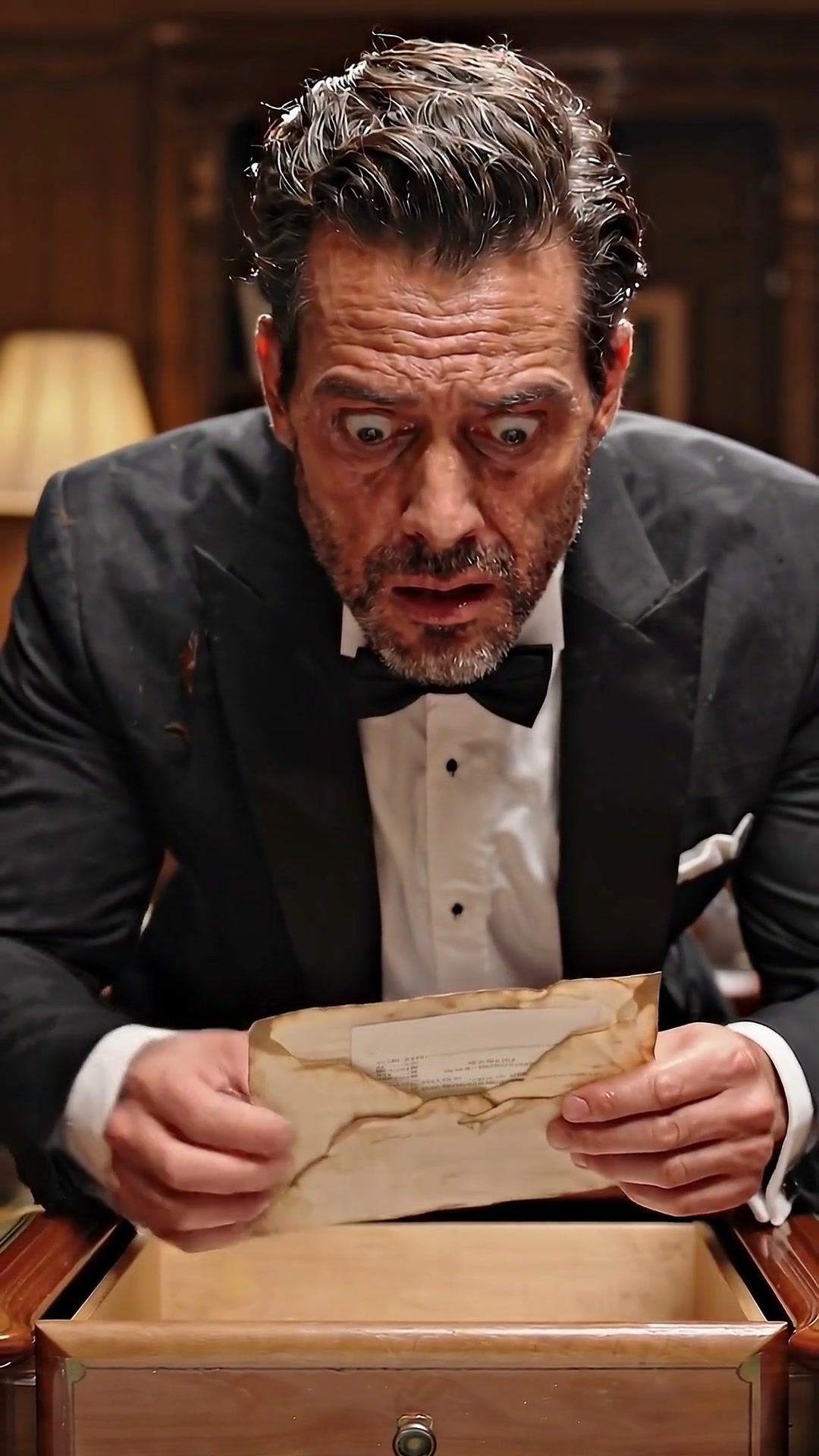
I unfolded the final page.
The compensation proposal showed that Bell & Shore would pay Graham an extraordinary $180,000 incentive if he secured the permanent easement.
His acceptance appeared at the bottom.
“You were going to get paid?” I asked.
His eyes filled.
“Mara, I was under enormous pressure.”
“From your mother?”
“From the company.
The loan.
Everything.”
“And the price was our marriage?”
He tried to take my hand.
I stepped away.
“I never thought she would actually accuse you in front of everyone,” he said.
I looked at the email beside the compensation proposal.
It described the birthday confrontation as a planned pressure event.
“You knew it was being discussed,” I replied.
“You had the laboratory report.
You could have stopped it.”
Vivian’s control finally cracked.
“Do you understand what is at stake?” she demanded.
“That hotel represents years of work.
Jobs.
Investors.
Millions of dollars.”
“And because your cheaper access route crossed my property, you thought you could destroy my reputation until I agreed?”
“I was protecting my family.”
I looked through the open doorway at Ivy, safe in my father’s arms.
“No,” I said.
“You were protecting your financing.”
One of Graham’s uncles asked Clara whether the company’s independent directors had approved the proposed incentive.
“Not to my knowledge,” Clara answered.
“The correspondence needs to go through an independent review.”
Vivian turned on her daughter.
“You’ve betrayed us.”
Clara shook her head.
“You made this about a baby, Mom.
I warned you to stop.”
For the first time that evening, the room stopped looking toward Vivian for permission to react.
Several relatives approached me quietly.
Others left without speaking.
I didn’t wait to discover which ones would eventually defend her.
I gathered the papers, checked that I had my attorney’s originals safely at home, and walked toward the