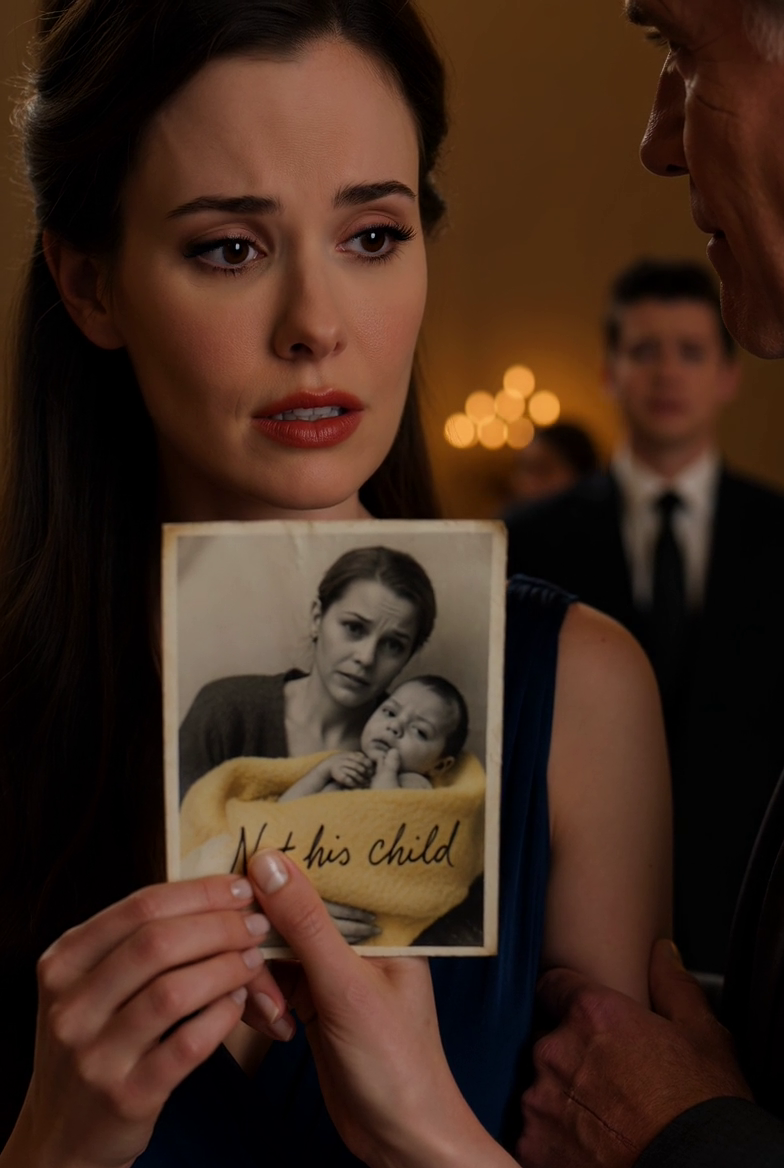
I didn’t feel responsible for repairing what my family had broken.
The following weeks were exhausting.
My attorney helped me document the identity misuse and contact the lender and credit reporting agencies.
The pending commercial loan was stopped before closing, and I arranged appropriate fraud alerts and additional protections on my credit records.
Investigators continued examining the organization’s finances.
Digital evidence and independently obtained records helped establish who had created false documents, approved transfers, and benefited from the diverted funding.
The forged compliance certifications were tied to credentials and devices I had not controlled after resigning from Open Gate.
The financial trail led repeatedly to the same businesses and accounts.
Several purported trainees could not be substantiated.
Others were real people whose support payments had been falsely recorded or inadequately delivered.
Victor Rusk’s invoices became especially important.
His company had billed the organization for facilities work, specialized machinery, and installations that investigators found were not supported by the claimed work.
Payments from Open Gate had then moved into other accounts connected with his business activities.
My father had approved transactions benefiting Northline Facilities, while Celia had authorized or submitted numerous underlying expense records.
The investigation developed evidence that the improper transfers were not simply bookkeeping errors.
They were coordinated financial decisions concealed through false records.
Four months after the dinner, a federal grand jury returned charges related to the alleged wire fraud and conspiracy.
Celia, my father, and Victor Rusk were among those charged.
My mother was questioned extensively and provided records and testimony.
She faced serious scrutiny over her role in the attempted loan transaction, but prosecutors did not charge her in the final case.
That distinction mattered to me.
She had violated my trust, and I was entitled to maintain boundaries with her.
But criminal responsibility had to be determined from evidence, not from my anger.
Celia called me twice after the charges became public.
I didn’t answer.
Then she sent an email.
She wrote that she had only wanted to make our parents proud and that the organization had grown faster than she could manage.
She said she had always expected me to rescue her when things became difficult.
That was the first part I believed completely.
I read the email several times, trying to understand how someone could be intelligent enough to establish a business yet remain convinced that other people were responsible for protecting her from its consequences.
I didn’t reply.
Instead, I forwarded it to my attorney because it related to an active legal matter.
As the case proceeded, the financial impact on the people who had trusted Open Gate became clearer.
Some trainees had wasted months waiting for courses that were never properly completed.
Others had paid expenses they were supposed to receive assistance with.
Several legitimate instructors were still attempting to recover compensation.
The organization ultimately ceased operations.
A replacement training provider worked with local partners to help eligible participants continue their education, while the recovery and restitution process moved through the courts.
One afternoon, Aisha Benton contacted me again.
‘I heard they’re reopening some of the training opportunities,’ she said.
‘Yes.
Through a different organization.’
‘Do you think they’ll actually pay what they promise this time?’
‘I can’t promise how every decision will turn out.
But the new program has independent