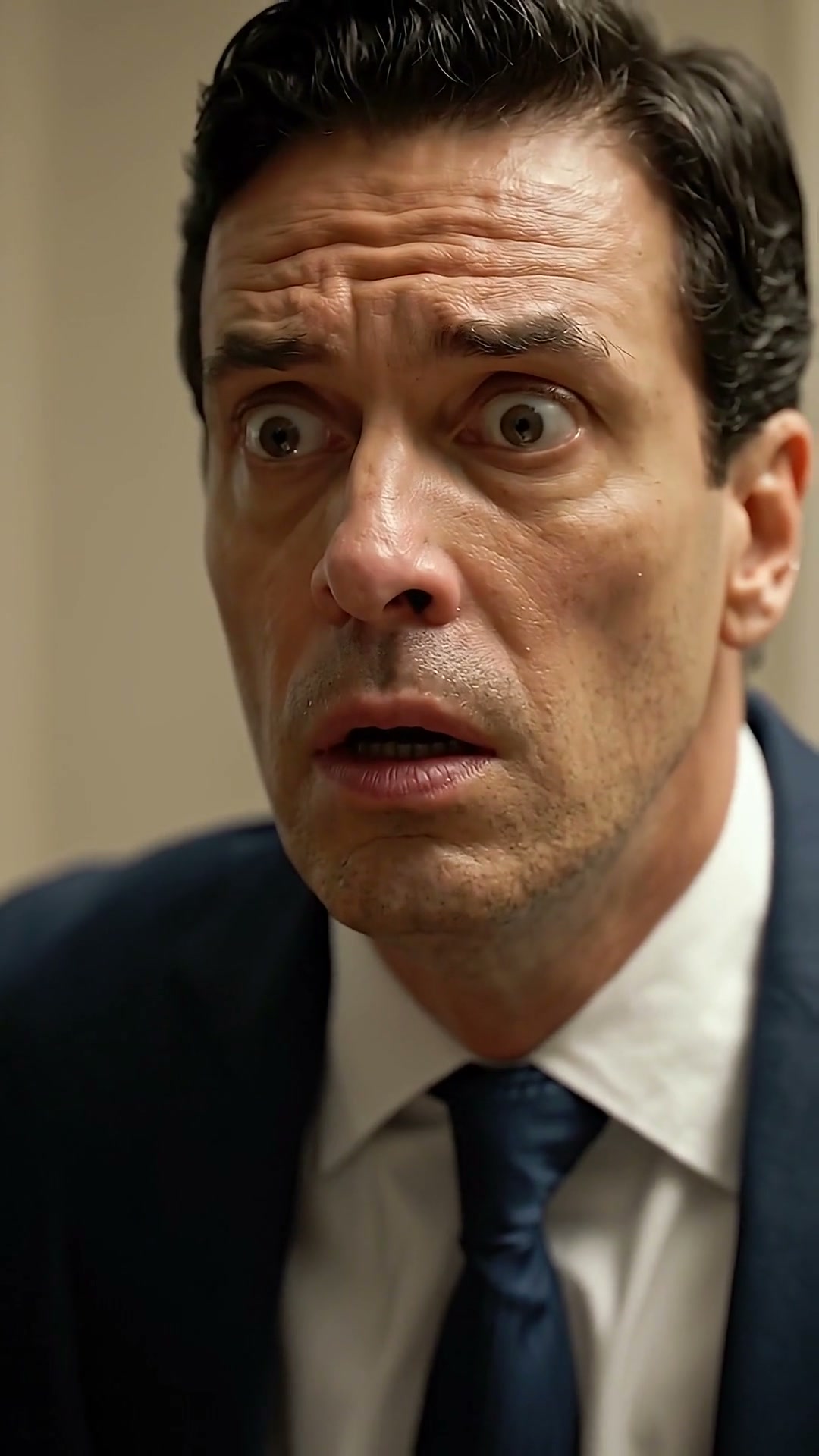
the conference room door.
Mr.
Bell opened it.
Charles Voss stood in the corridor wearing an expensive gray suit and an expression of carefully maintained impatience.
I recognized him from the acquisition negotiations.
He had offered considerably less than the property was worth as an operating business, arguing that its only practical future was redevelopment.
Now he looked from my mother to Audrey, then at me.
“Ms.
Mercer,” he said.
“I wasn’t aware you’d be attending.”
“It’s my club, Mr.
Voss.”
He gave a small nod.
“So I’ve heard.”
He was accompanied by his attorney, who stood a few steps behind him.
I remained seated.
“Why are you here?”
Voss glanced at Audrey.
“I received a message that there had been a disagreement about ownership and financial obligations.
I thought it prudent to clarify my position.”
Daniel spoke before Audrey could answer.
“Any legal claims should be directed to the club’s counsel.
This is not an appropriate setting for negotiations.”
Voss looked mildly annoyed.
“I have no ownership claim.
My agreement was an introduction arrangement, contingent on a successful purchase that never occurred.”
“And who introduced you?” I asked.
He hesitated.
“Ms.
Mercer.
Your sister.”
Audrey looked toward the window.
“She approached me last year,” Voss continued.
“She said the club’s finances were worse than its owners understood, and that its members would eventually accept a sale if operations continued deteriorating.”
The words landed heavily.
I looked at my sister.
“You told him the club would fail?”
Audrey lifted her chin.
“It was failing.
That’s a fact.”
“And you were positioning yourself to collect ninety thousand dollars when it did.”
“I was trying to create an opportunity.”
“For whom?”
She said nothing.
Voss’s attorney touched his arm.
“We should leave.
Any further discussion can go through counsel.”
Before going, Voss turned toward my mother.
“Evelyn, whatever financial arrangements you and Audrey made, my company was not a party to them.”
That sentence was revealing.
Because my mother immediately looked terrified.
Once the door closed, I turned toward her.
“What financial arrangements?”
She stared at Audrey.
For the first time that night, my sister looked uncertain.
“Mom,” she said softly, “don’t.”
But my mother had spent months carrying something heavier than her vanity.
She opened her handbag, removed a folded bank notice, and slid it across the table.
Mercer Coastal Properties was facing a serious debt crisis.
An investment Audrey had recommended two years earlier had failed.
The company had borrowed against several rental properties to cover operating expenses, then borrowed again to pay the first loans.
By the time interest rates increased and several tenants moved out, the business was in danger of default.
My mother had been using personal savings to keep it afloat.
Audrey had convinced her that the club’s money could be borrowed temporarily and returned after Voss purchased the property.
But no one at Hawthorne Point had authorized such a loan.
No legitimate loan agreement existed.
The event invoices had disguised the withdrawals as payments for services.
And when my acquisition prevented Voss from buying the club, their imagined repayment plan collapsed.
My mother pressed her hands together.
“We thought there would be time.”
I looked at her in disbelief.
“You used scholarship fundraising operations to help cover company debts?”
“It wasn’t meant to be permanent.”