The first thing my husband threw away after my cancer surgery was my medication.
The second was the box containing the sterile supplies I needed to care for my wounds.
The third, I eventually understood, was his marriage.
My name is Rachel Whitaker.
I was thirty-six years old when I discovered that surviving cancer might be easier than surviving the people who claimed to love me.
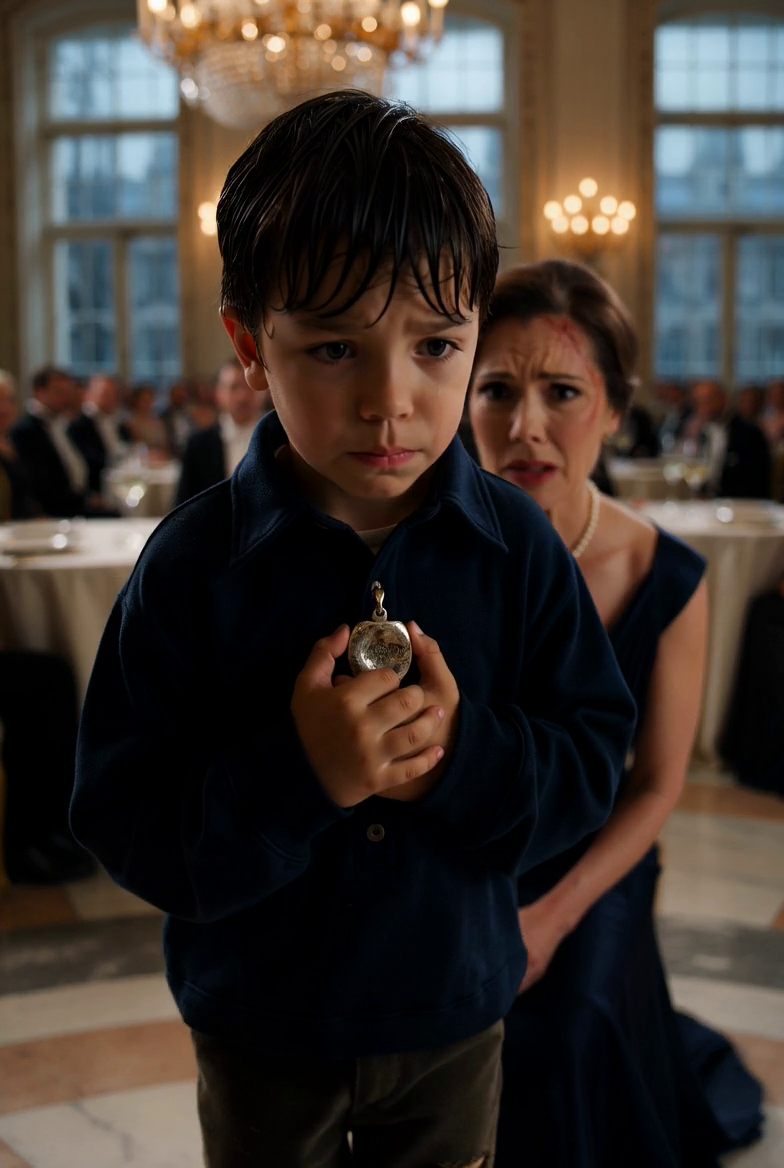
Fourteen days after my double mastectomy, I was lying on the cold bathroom floor of our house outside Austin, Texas.
My chest hurt with every breath.
Two surgical drains were still attached beneath my loose cotton robe, and I was dizzy from pain and exhaustion.
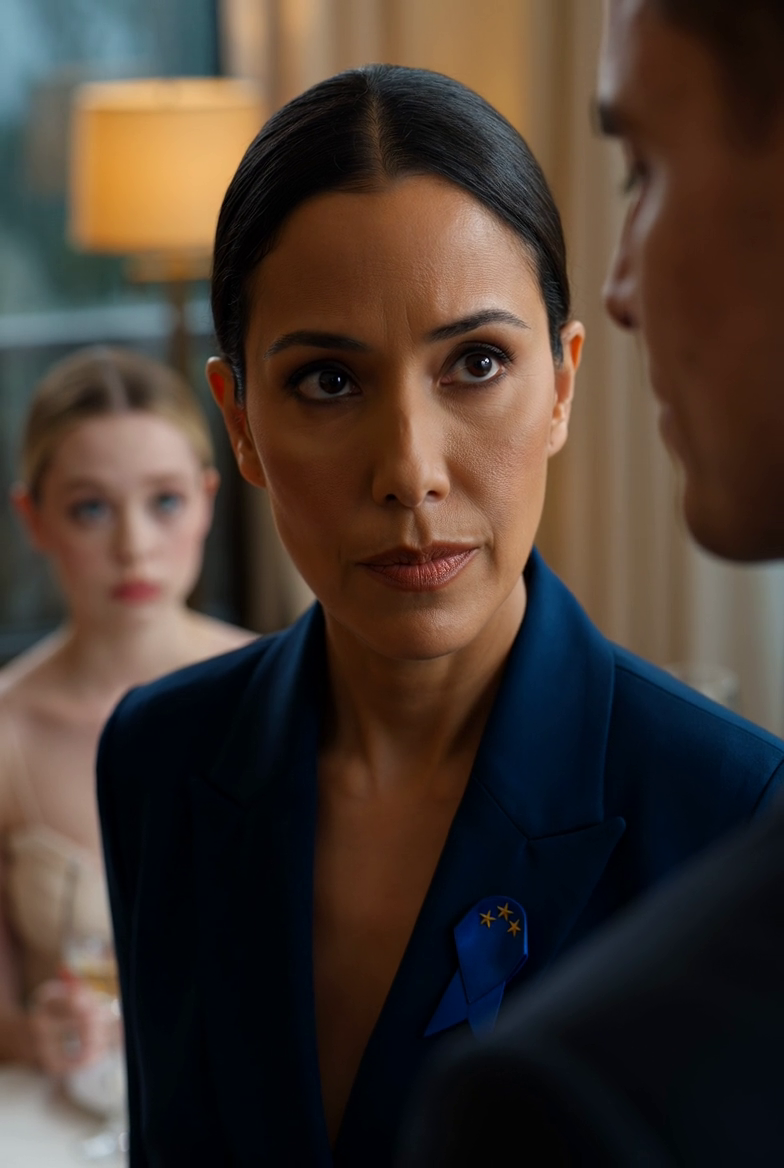
My mother-in-law, Miriam Whitaker, stood over me holding an empty prescription bottle.
She had just poured its contents into the toilet.
“There will be no drug addicts in my son’s home,” she declared.
“Those were prescribed by my surgeon,” I whispered.
“I need them.”
“What you need is discipline.”
She flushed the toilet.
I watched the water carry away the medication that had allowed me to sleep through the worst nights of recovery.
Then my husband, Garrick, entered.
For one impossible second, I believed he would be horrified.
He knew the pain I had been experiencing.
He had been present when the discharge nurse explained my medication schedule, the drain care, and the restrictions on physical activity.
Instead, he looked at his mother and sighed.
“What happened now?”
Miriam held up the empty bottle.
“I found her taking narcotics again.”
“Because I had surgery,” I said.
Garrick rolled his eyes.
“Rachel, everything has been about your surgery for weeks.”
He walked into the bedroom, returned with a box of medical supplies, and carried it toward the garage.
“Garrick, please.
Those are my clean dressings.”
“The hospital gave you too much junk.
You don’t need to turn our bedroom into a clinic.”
I heard the garbage bin lid slam outside.
When he returned, he stood in the bathroom doorway and folded his arms.
“The church hospitality committee is coming tomorrow.
The lawn looks terrible.
Get yourself dressed and mow it.”
“I can’t push a mower.
The surgeon said not to lift or strain—”
“The surgeon doesn’t live here.”
Miriam nodded approvingly.
“A woman needs to contribute to her household.”
I looked from one face to the other.
Neither showed the smallest sign of concern.
That was the moment I stopped believing I could earn kindness from them.
I did not shout.
I did not plead again.
I waited until they left the room, then pulled myself toward the bathroom vanity.
Behind a loose wooden panel was a prepaid cellphone I had hidden five years earlier.
I switched it on and called my brother.
***
Nathan Mercer had always been the person I called when something went wrong.
When our father died, Nathan was twenty-four and I was seventeen.
He postponed graduate school for a year so he could help our mother settle the estate and keep me in school.
When I got my first job as a respiratory therapist, he drove three hours to attend the small hospital ceremony where I received my employee badge.
When I met Garrick, Nathan was the first person I introduced him to.
And the first person to worry.
Garrick was charming in public.
He