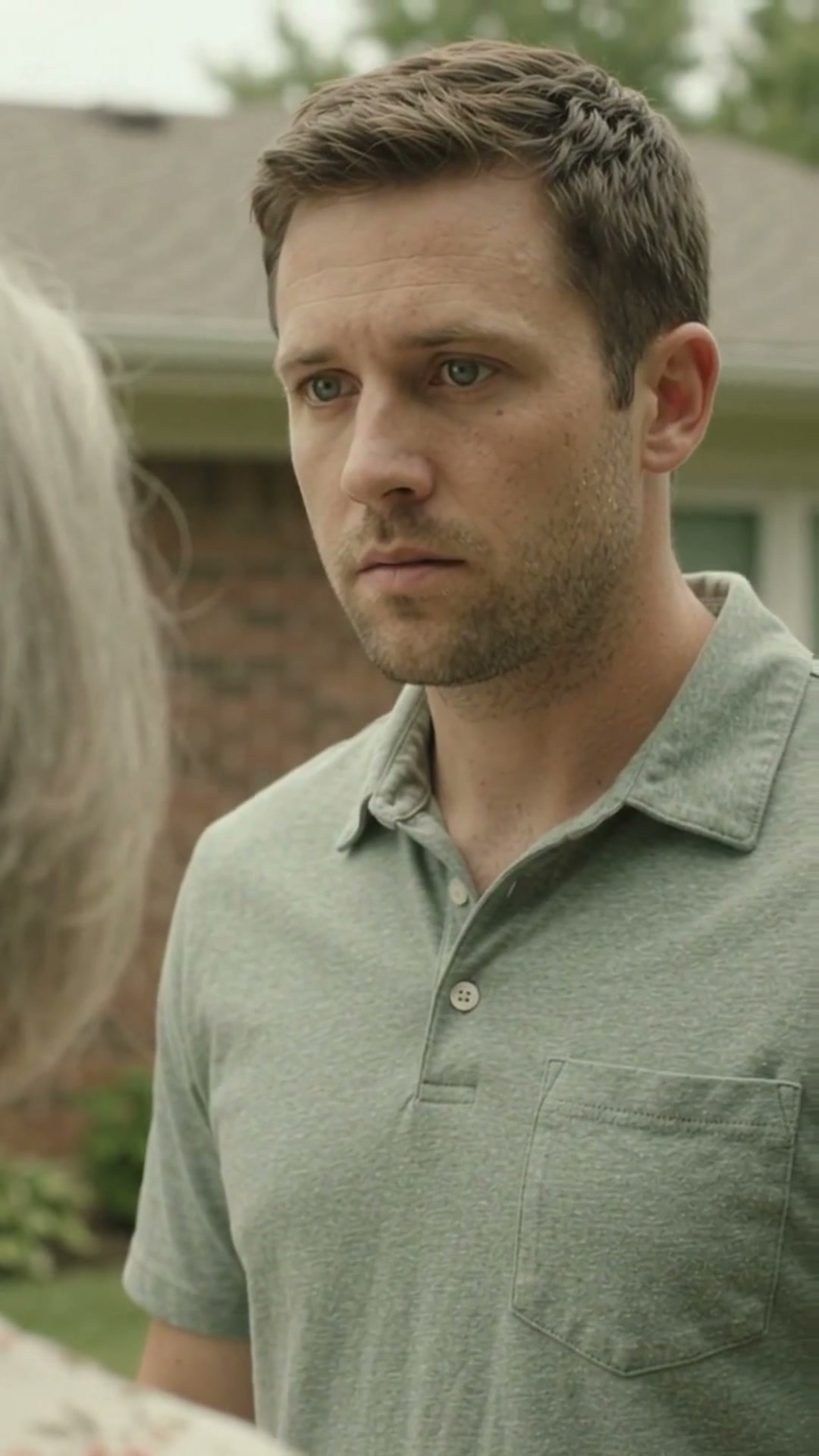
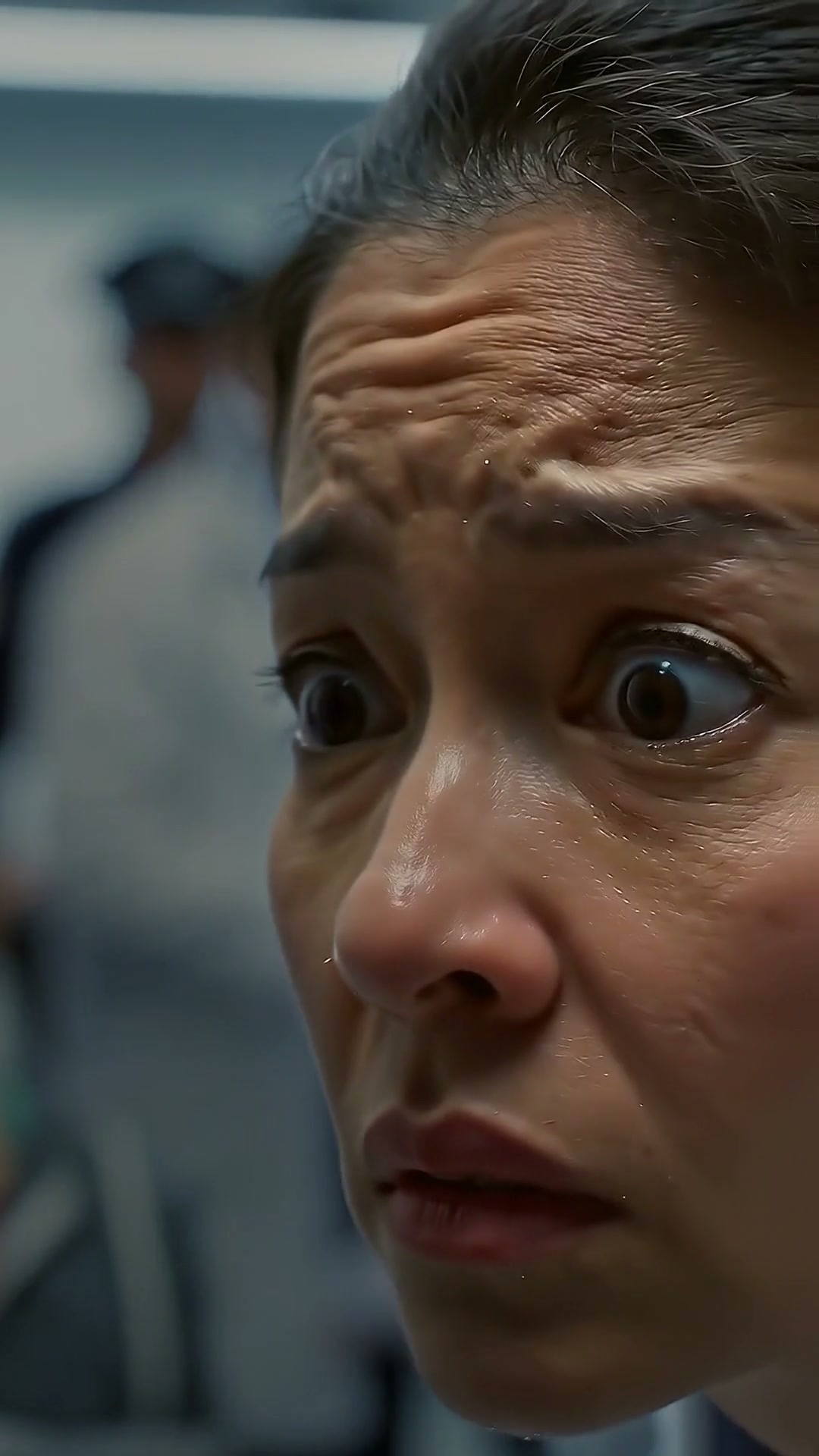
guests that I was permanently paralyzed, I did not correct her.
I never asked my doctors to falsify records.
They continued documenting my actual recovery.
But I allowed Celeste and the others to believe the worst rumors they had circulated themselves.
I wanted to know what they would do if they thought I could no longer protect what belonged to me.
I believed a few days would provide the answer.
Instead, the deception lasted three weeks.
And every day revealed something uglier.
My uncle began attending meetings without inviting me.
Grant stopped sending me complete financial reports.
Celeste began discussing renovations to the house as though I were already gone.
Then she announced a welcome-home reception.
She invited company directors, wealthy acquaintances, and several members of her family.
She said the evening would celebrate my survival.
Marcus thought otherwise.
So did Evelyn.
They believed someone intended to pressure me into surrendering management authority while surrounded by witnesses who had already been told I was incapable of looking after myself.
I agreed to attend.
And that was how I found myself sitting beneath the chandeliers of my own ballroom while Celeste humiliated me in front of everyone.
The room smelled of white roses and expensive perfume.
Beyond the tall windows, the dark water reflected the lights of passing ferries.
Celeste wore an emerald gown and the diamond ring I had given her during a weekend in Napa Valley.
She approached my wheelchair with a champagne glass in her hand.
‘Look at you,’ she said loudly.
‘I was supposed to marry a successful man, not become someone’s full-time nurse.’
Several guests laughed.
I watched my uncle Raymond turn toward the windows.
Grant smiled into his drink.
Celeste’s mother, Patricia, leaned toward another guest and murmured something that made them both chuckle.
I had known these people for years.
I had paid for their vacations, supported their charities, provided jobs to their relatives, and opened my home whenever they needed a place to gather.
Yet all I could see were people looking at my wheelchair as if it had erased everything about me.
‘Celeste,’ I said quietly, ‘we’re supposed to be married in eight weeks.’
She rolled her eyes.
‘And what exactly would I be marrying now? A man who needs help getting dressed?’
I felt something inside me settle into a terrible calm.
‘Is that what you think makes someone valuable?’
‘Don’t become philosophical, Owen.
You know what I mean.’
Then she nudged the charcoal blanket covering my legs until it slid onto the marble floor.
I reached for it, but someone arrived before I could move.
Mara Bennett knelt beside my chair.
Mara was thirty-two, with dark brown hair tied neatly behind her head and tired eyes that always seemed to notice what everyone else overlooked.
She had worked in our home for almost four years.
I knew she was excellent at her job.
I knew my father had trusted her.
But until recently, I had never understood how much of our household’s quiet order depended on her.
She replaced the blanket, smoothing it carefully across my knees.
‘You don’t have to earn kindness,’ she whispered.
‘You deserved it before the accident, and you deserve it now.’
Her words affected me more than Celeste’s insults.
Because Mara was the only person