Noah wasn’t finished.
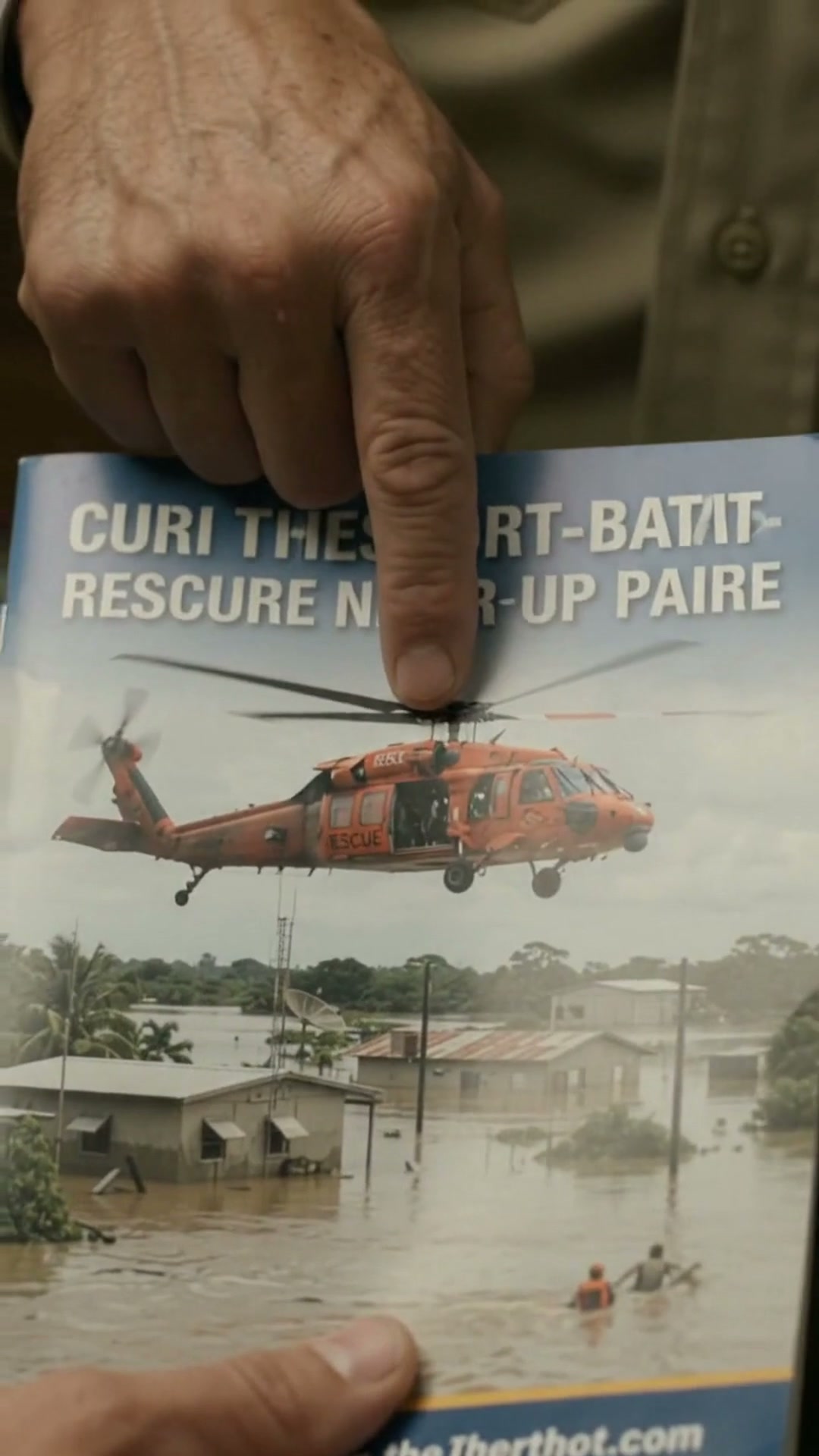
“When the Eastern Shore floods cut off three towns, she directed the movement of medical supplies, evacuation teams, and emergency equipment for days.
Those people know what she’s capable of because they were there.”
Major Flores rose.
Then Sergeant Major Price.
Nine others followed.
They stood quietly beside their chairs.
No military salute was necessary.
There was no shouted command and no staged display.
They simply rose out of respect for a woman they knew as their commander.
My father’s face tightened.
“Well,” he said, trying to sound amused, “apparently my daughter has been keeping secrets.”
I looked directly at him.
“No, Dad.
You just never asked.”
That should have ended the confrontation.
But my father had prepared something far more damaging than a cruel toast.
My phone vibrated.
An unfamiliar number had sent a warning.
“He changed the program.
Don’t stand beside the donation check.
He’s announcing something you never agreed to.”
Before I could show Noah, two attendants appeared with a towering display concealed beneath navy-blue velvet.
My father smiled again.
And I began to understand that his humiliation had been deliberate.
Three months earlier, I had received a peculiar request from the Harbor House Veteran Housing Fund.
The foundation had been established nine years before, supposedly in honor of my mother’s brother, Samuel, who returned from military service with injuries that made ordinary housing difficult.
Its original purpose was admirable: help wounded veterans and their families afford home modifications, emergency repairs, and temporary accessible housing.
I believed in that mission.
I had visited families who depended on ramps, widened doorways, and bathrooms they could safely use.
I understood how much difference a few thousand dollars could make when someone was trying to regain independence.
What troubled me was not the cause.
It was the organization using my name.
The foundation’s executive office had emailed asking permission to feature my military photograph and rank in a fundraising campaign.
My father wanted to introduce me as the organization’s military adviser.
I declined.
As a serving officer, I had ethical responsibilities concerning public endorsements of private organizations.
I had no intention of allowing my command position to become a marketing device for my father’s charity.
I sent a polite written refusal and asked that my name, photograph, rank, and unit not be used in fundraising materials without proper review and authorization.
My father called that evening.
“You’re making a mountain out of nothing,” he snapped.
“I’m following the rules.”
“Your father asks for one small favor and suddenly you’re too important.”
“That’s not what this is.”
“Don’t lecture me about service, Adeline.
I’ve raised more money for veterans than you’ll ever earn.”
He hung up.
Two weeks later, the foundation approached me again, this time offering the title of honorary chair.
I declined in writing once more.
Then something happened that made the repeated requests seem less innocent.
A retired staff sergeant named Rebecca Lane contacted me through a mutual friend.
Her husband, a disabled veteran, had been approved for a grant to install a wheelchair-accessible entrance at their house.
The foundation had announced the award at a public ceremony eleven months earlier.
But the contractor had never been paid.
Their application had been labeled complete.
They had received a congratulatory letter.
The promised work had never