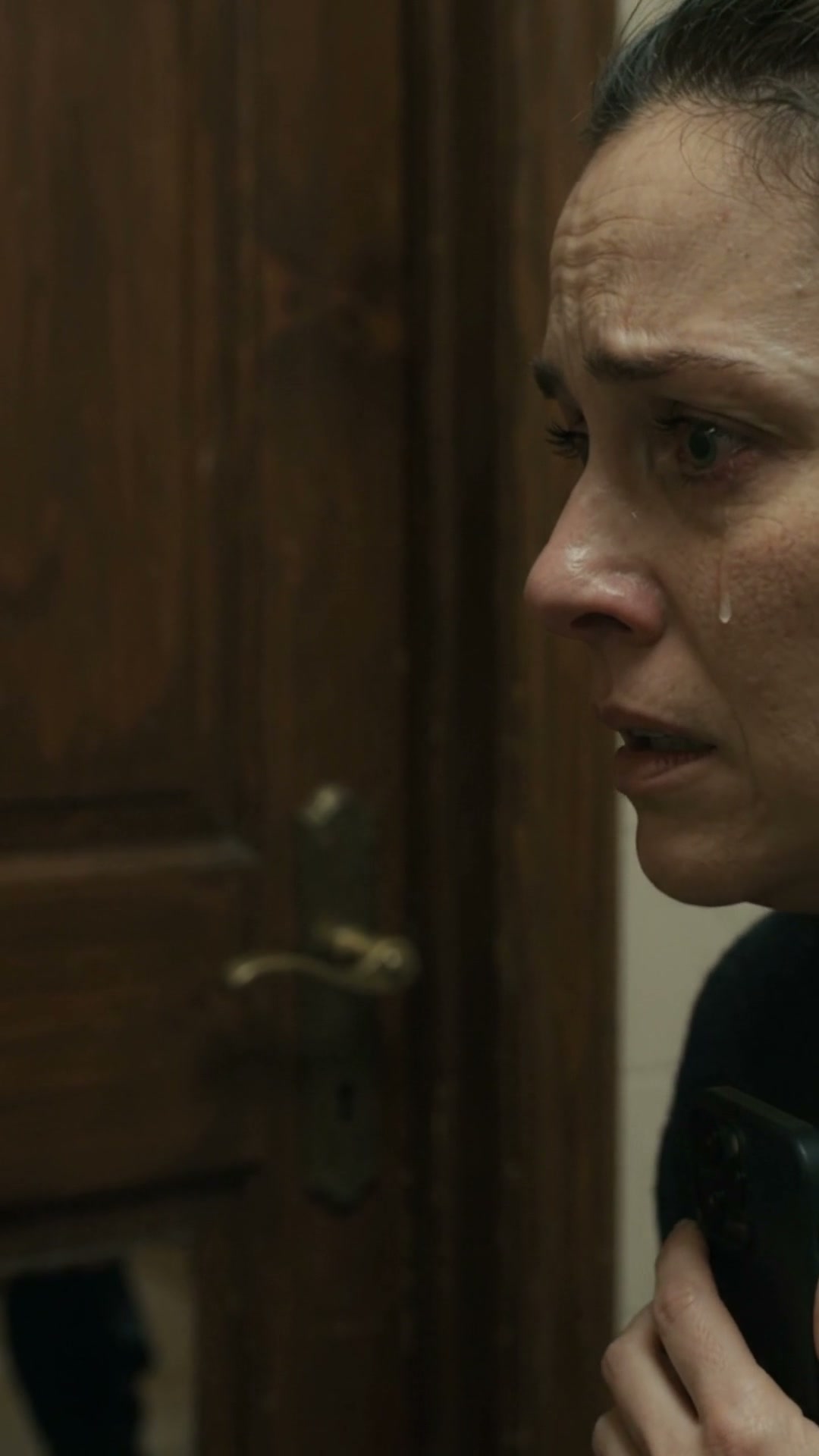
of one terrible night.’
My father was even less sympathetic.
‘You can’t expect a man with his responsibilities to be cheerful all the time.’
Their reactions taught me something dangerous: if I wanted to be believed, I needed stronger evidence than my own words.
But whenever I considered leaving, Adrian reminded me how thoroughly our lives were connected.
He knew where I banked.
He knew my passwords.
He knew my schedule.
He made it clear that he would fight me over every dollar if I tried to divorce him.
And he knew my parents would probably take his side.
I stayed.
Until the Thursday night when everything collapsed.
It began with a question about a bank statement.
Three weeks earlier, I had noticed several unusual transfers from the consulting firm’s reserve account.
The payments were described as consulting expenses, but I didn’t recognize the recipients.
I asked Adrian for clarification.
He laughed and told me to stop pretending I still ran the company.
I didn’t argue then.
Instead, I contacted our former bookkeeper, a woman named June Whitaker, who had resigned abruptly two months earlier.
June answered my email with a single sentence.
Please call me from a number Adrian cannot access.
That message frightened me more than Adrian’s anger.
I bought a prepaid phone and arranged to speak with June the following week.
But Adrian discovered my questions before the call could happen.
That Thursday, I found him standing in our kitchen with a printed transaction report in his hand.
‘Who gave you access to these records?’ he demanded.
‘I own part of the company, Adrian.’
His expression changed.
‘You haven’t done anything for that company in years.’
‘That doesn’t mean I surrendered my shares.’
He stepped closer.
‘Tell me who you’ve been talking to.’
I refused.
The argument escalated.
He seized my phone, and when I tried to move past him, he attacked me.
I remember the kitchen floor, the sharp edge of a chair, and the terrifying difficulty of drawing a full breath.
I remember hearing him tell someone on the telephone that I’d suffered another accident.
Then there was nothing.
When I woke, the room was white and cold.
A heart monitor sounded beside my bed.
My chest hurt whenever I inhaled.
An oxygen tube rested beneath my nose.
A nurse named Caroline noticed my eyes were open and approached immediately.
‘You’re at Vanderbilt University Medical Center,’ she said gently.
‘You’ve been injured, but you’re safe here.’
I tried to speak.
My voice came out as a whisper.
‘Adrian?’
‘Your husband isn’t in the room.’
She paused before asking, ‘Would you feel comfortable telling me what happened?’
I looked at the door.
Caroline noticed.
‘We can speak privately.
You don’t have to see anyone you don’t want to see.’
For the first time in years, someone was offering me a choice without demanding anything in return.
I told her the truth.
Caroline listened without interrupting.
She explained that the medical team could document my injuries, arrange for a social worker and victim advocate, and help me contact law enforcement if I chose.
I agreed to speak with an advocate and make a report.
Then I asked to call my parents.
Despite everything, some part of me still believed they would come if they understood how badly