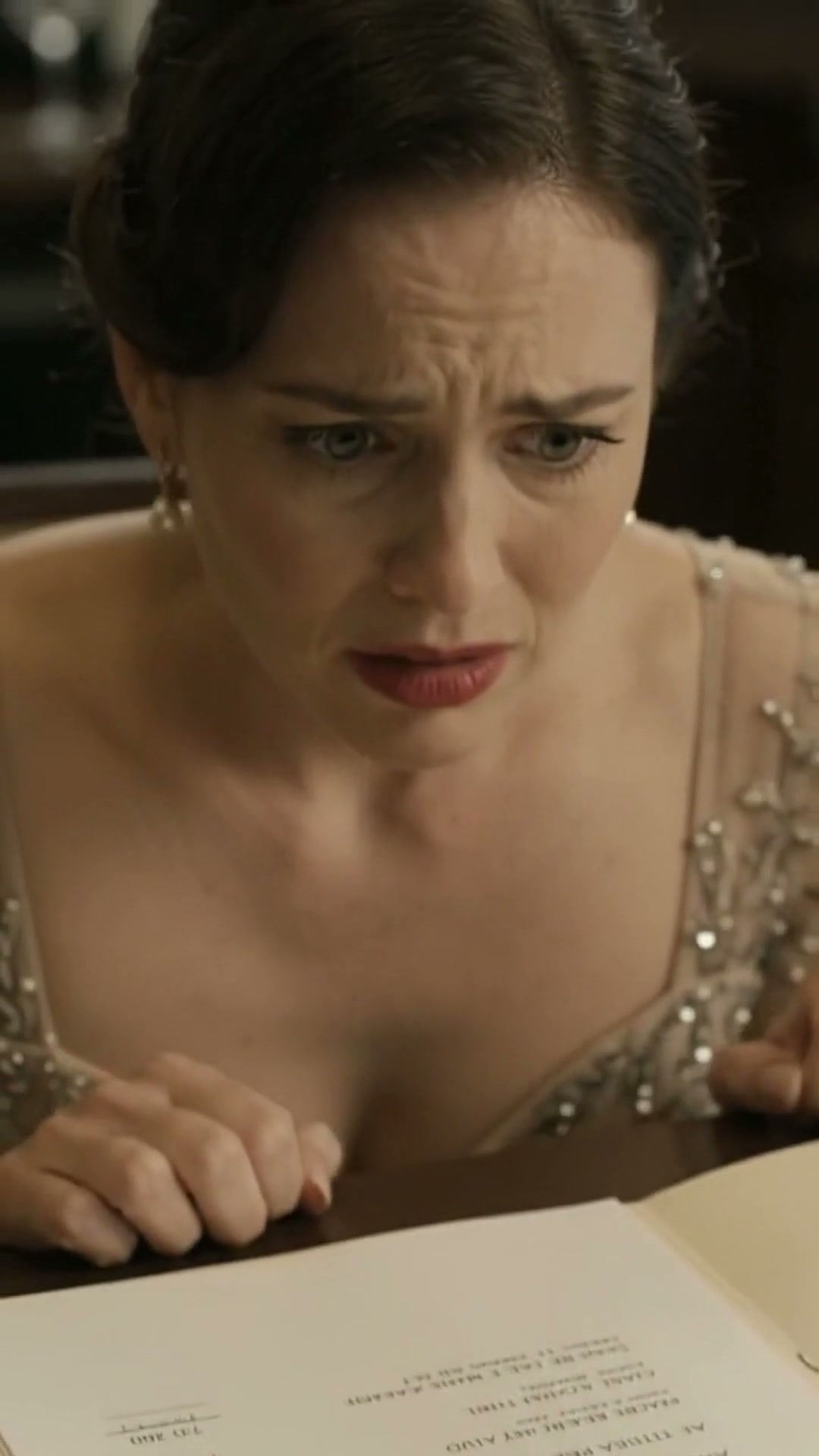
later, I sat in Thomas’s office as he described Margaret’s signed statement.
She had accompanied Paul to a notary’s office several months earlier.
According to her account, Paul claimed he needed a witness to confirm an old family property agreement.
He showed her only the signature page.
Margaret signed the witness section, believing Dorothy had already consented to the transfer.
She later learned that the document asserted Dorothy had personally signed it.
Margaret said she had never seen me sign anything.
She also remembered asking Paul why his mother-in-law wasn’t present.
‘She’s recovering from surgery,’ he had told her.
I hadn’t undergone surgery in eleven years.
But that was not the only lie.
Margaret had brought along a small folder containing printouts of emails Paul had sent her about his proposed investment plans.
One message described the lake house as an asset that would soon become available for financing.
Another instructed her not to discuss the transfer with me because I was supposedly becoming forgetful and easily upset.
That accusation hurt almost as much as the attempted theft.
I had spent thirty-four years administering medication, responding to emergencies, and helping families make impossible decisions.
Now my son-in-law was using my age as an excuse to keep me ignorant of his financial dealings.
Thomas continued reviewing the documents.
The loan proceeds, according to the application, were intended for debt consolidation and business expansion.
Paul owned a small residential construction company that had struggled through two expensive projects.
The financial records he had supplied to the lender suggested mounting unpaid obligations and an urgent need for capital.
‘He was trying to save his business with your property,’ Thomas said.
I looked down at my hands.
They were the hands of an old nurse: thin skin, faint scars, and a little arthritis in the right thumb.
They were also the hands that had written every check for Arthur’s house.
‘And Bridget?’
‘That remains unclear.
Her name is on the purported deed, but we haven’t established what she knew about its execution.’
I went home carrying copies of the records.
That evening, Bridget called.
For once, she didn’t sound angry.
‘Mom, can I come over? Alone?’
I looked toward the framed photograph of Arthur beside the fireplace.
‘Yes,’ I said.
‘But we need to speak plainly.’
She arrived an hour later without makeup, her hair pulled into a loose ponytail.
For a moment, standing in my doorway, she looked like the girl who used to come home from school carrying a broken science project and expecting me to fix it.
She sat at the kitchen table.
Neither of us spoke until I poured coffee.
Finally, she asked, ‘Did Paul really try to borrow money against the lake house?’
‘Yes.’
She pressed both palms against her eyes.
‘He told me you agreed to put the property in our names eventually.
He said there were documents being prepared, but I didn’t know he’d submitted anything.’
‘Did you sign the deed?’
‘No.
I never saw it until his dad showed me a copy on July Fourth.’
I watched her carefully.
‘Why did you ask me not to come for the summer?’
She lowered her hands.
‘Paul said it would be awkward with his parents.
They wanted to see whether they could live there long-term.’
‘And you thought