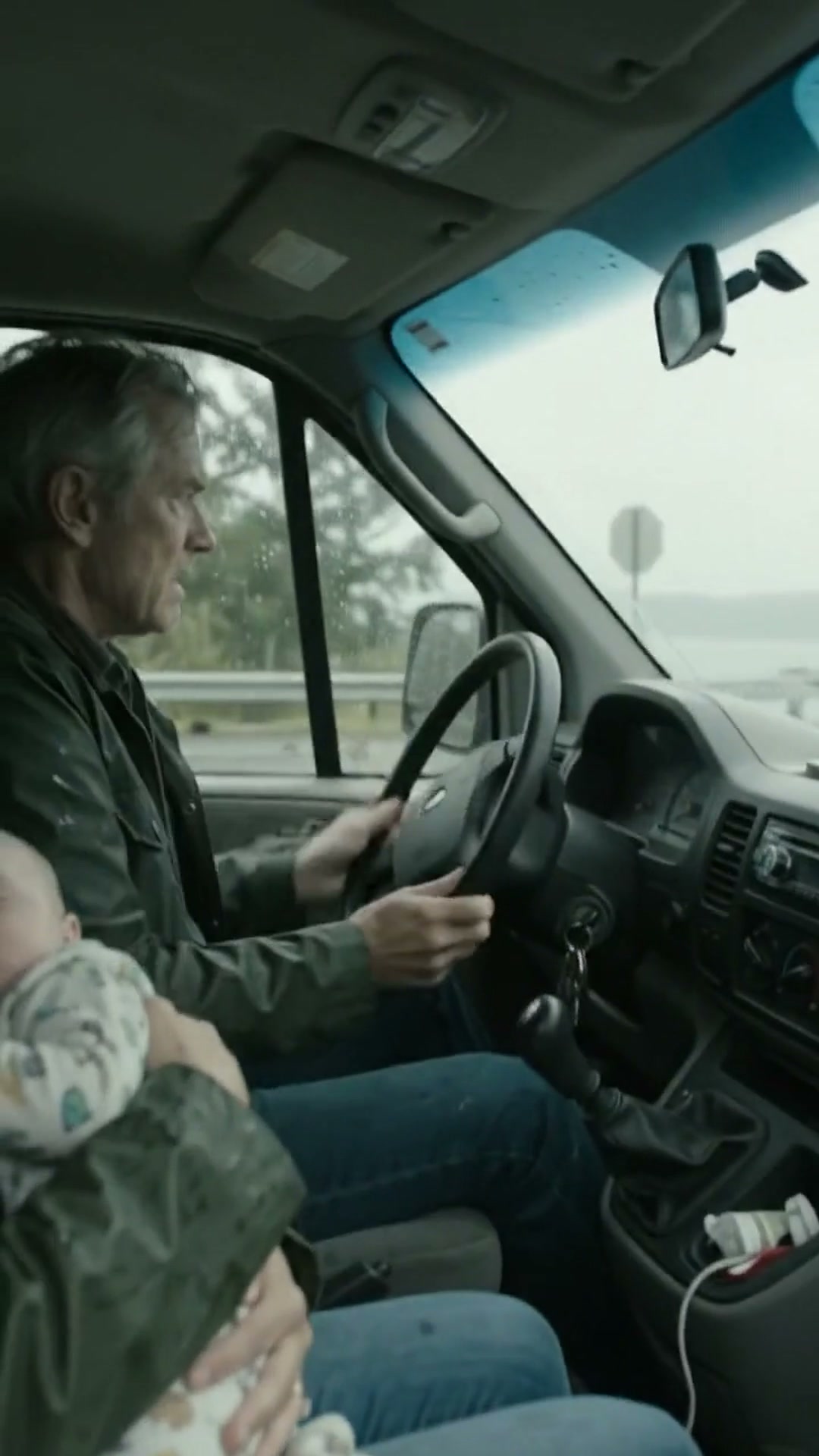
not your real son, can somebody take me away?’
Colin looked at him for a long moment.
Then he moved closer.
‘Oliver, listen carefully.
I’m your real dad.
I chose to be your dad, and the law says I’m your dad, too.
Nobody gets to undo that because they’re angry.’
‘Even Grandma?’
‘Even her.’
Oliver studied his face.
‘So you’ll still be my daddy when I’m big?’
Colin smiled through his tears.
‘When you’re four, when you’re forty, and when you’re a hundred.’
Oliver laughed at the last number.
Then he climbed into Colin’s lap and stayed there until he fell asleep.
We arranged support with a child therapist experienced in helping young children process frightening events.
We wanted Oliver to understand that adults were responsible for protecting him and that what happened was never his fault.
Colin also made a decision that surprised several relatives.
He stopped attending gatherings where Judith was present.
He returned the spare farmhouse key she had given him.
He told relatives that anyone who wanted a relationship with Oliver needed to respect his place in the family and his medical needs.
Some complained that he was tearing the family apart.
Colin answered with the same sentence each time.
‘My mother endangered my son.
Protecting him is not dividing this family.’
A few relatives went silent after that.
Others finally stepped forward.
Tessa apologized for years of dismissing Judith’s comments as harmless.
She admitted that keeping the peace had allowed her mother to become increasingly bold.
Colin’s uncle Daniel told us he’d heard Judith complain about Oliver’s adoption and regretted never challenging her.
Those apologies could not undo what had happened.
But they helped us understand who was willing to change.
The legal process unfolded over the following months.
Investigators reviewed the medical records, preserved the relevant footage, interviewed witnesses, and examined the circumstances surrounding the medication switch and forged letter.
Judith eventually faced a child-endangerment charge and agreed to a negotiated plea.
The court imposed penalties, supervision requirements, and restrictions on contact with Oliver.
Our attorney also helped us establish additional legal protections and update the list of adults authorized to collect Oliver from preschool.
There was no dramatic moment when Judith suddenly admitted everything she’d done or begged for forgiveness.
She continued insisting that her intentions had been misunderstood.
That was difficult for Colin at first.
Part of him had wanted his mother to recognize what she’d nearly caused.
But he eventually accepted something important.
Her willingness to admit wrongdoing was not a prerequisite for our son’s safety.
We could protect Oliver without her permission.
We could build a peaceful home without winning an argument with her.
And we could stop giving her chances to hurt him simply because she was related to us.
About four months after the hospital incident, Oliver asked whether he could help make another cake.
I was washing dishes when he climbed onto his kitchen stool and made the request.
‘A strawberry one?’ I asked.
He nodded.
‘But not for Grandma.’
My hands stopped moving.
‘Who would you like to make it for?’
He thought for a moment.
‘Daddy.
And Aunt Tessa.
And you.’
I smiled.
‘That sounds wonderful.’
We chose a Saturday afternoon.
Tessa arrived with her children, and Colin’s uncle Daniel brought a small wooden box