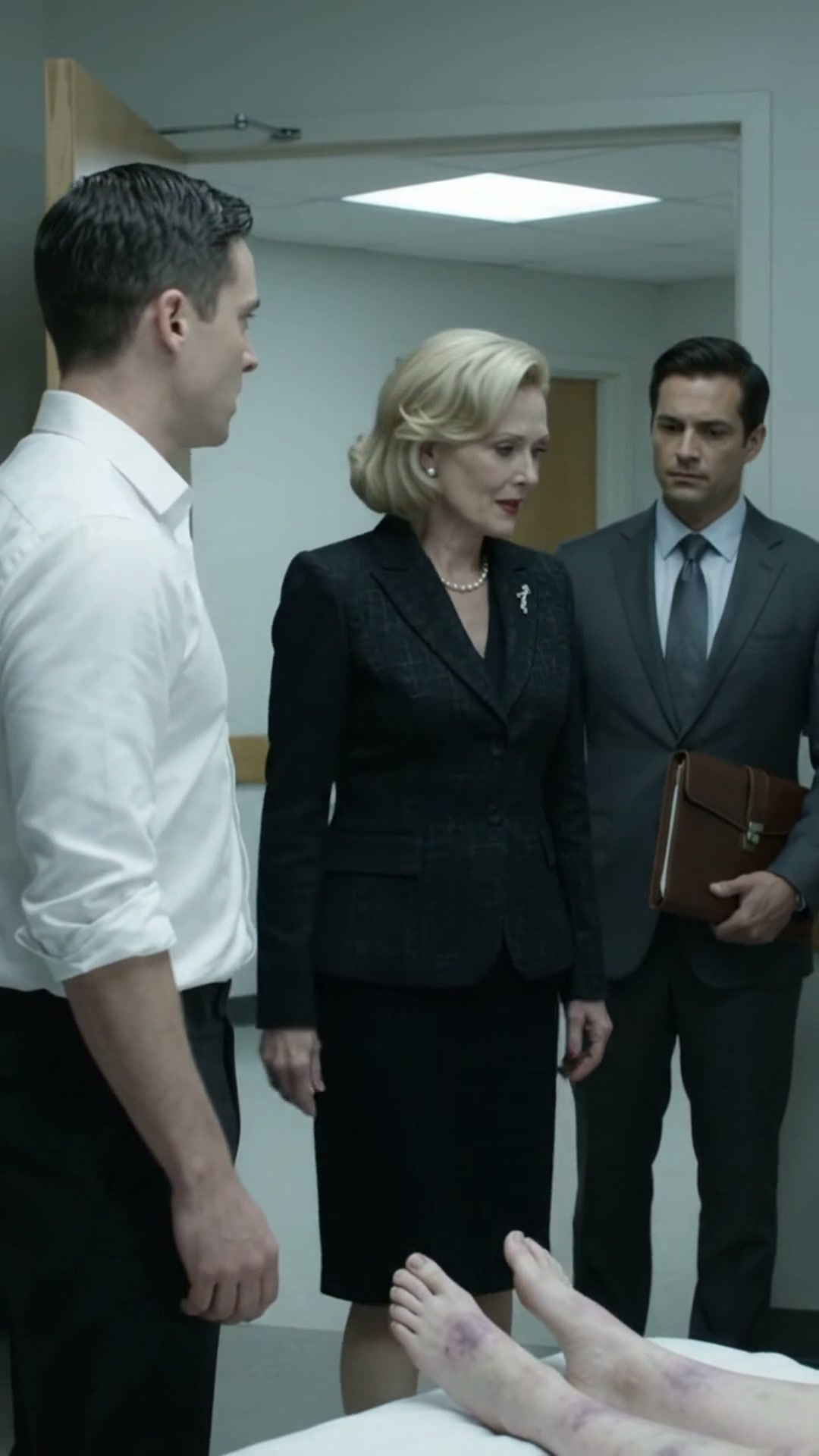
My stepmother called me on a Tuesday morning and announced that she had sold my childhood home.
She sounded so pleased with herself that I almost laughed.
The new owners, she explained, would move in the following week.
They planned to renovate the property, possibly demolish the older sections, and start over.
I had until Friday to collect my belongings and surrender the keys.
She delivered the news as if she were announcing a long-awaited victory.
What Eleanor didn’t know was that my father had anticipated this exact situation long before he died.
And the most important part of his plan was hidden inside the fireplace.
My name is Harper.
I grew up in a beautiful old house with a cedar fence, climbing roses, stained-glass windows, and a massive brick fireplace that my father had built himself.
Every corner held a memory.
The kitchen island was where he taught me to bake.
The garden was where we planted roses every spring.
The study was where he spent countless evenings reading books and reviewing documents.
To Eleanor, however, the house was nothing more than an expensive asset.
She entered my father’s life five years earlier, shortly after my mother had passed away.
At first, she seemed charming.
She remembered birthdays, organized dinners, and spoke lovingly about how much she admired my father.
But gradually, things changed.
She began isolating him from old friends.
She complained whenever I visited.
She wanted to control his bank accounts, his medical appointments, and eventually every major decision concerning his property.
Whenever she demanded something, my father simply smiled.
I thought he was too tired to argue.
I didn’t realize he was documenting everything.
When my father died, I was devastated.
A few days after the funeral, his longtime attorney, Benjamin Vance, asked me to meet him in his downtown office.
He closed the conference-room door, placed a thick folder on the table, and said something I would never forget.
‘Your father knew Eleanor might eventually try to take the house.
He prepared for it years ago.’
He explained that eleven years earlier, before Eleanor entered our family, my father had transferred ownership of the property into an irrevocable family trust.
Benjamin was the independent trustee, and I was the sole beneficiary designated to receive the house after my father’s lifetime interest ended.
Eleanor had never owned the property.
My father had nevertheless arranged a temporary occupancy period for her after his death.
She could remain in the home for ninety days, provided she respected the trust’s conditions.
There was one particularly important provision.
Any attempt to sell, mortgage, transfer, or demolish the property would immediately terminate her right to remain there.
Benjamin then handed me an envelope.
‘Your father left this with specific instructions,’ he said.
‘You are to open the hidden compartment in the fireplace if Eleanor ever attempts to sell the house or force you out.’
I stared at him.
‘What’s inside?’
He paused.
‘Evidence.
Your father wanted you to understand the truth, but he also wanted to protect you from it until there was no other choice.’
I returned home that afternoon with more questions than answers.
I knew my father had been concerned about Eleanor’s behavior, but I had never imagined how much he had discovered.
Then, on Tuesday morning, my