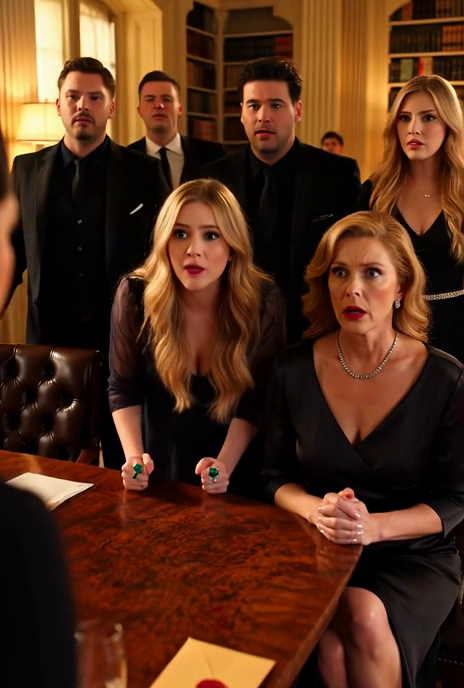
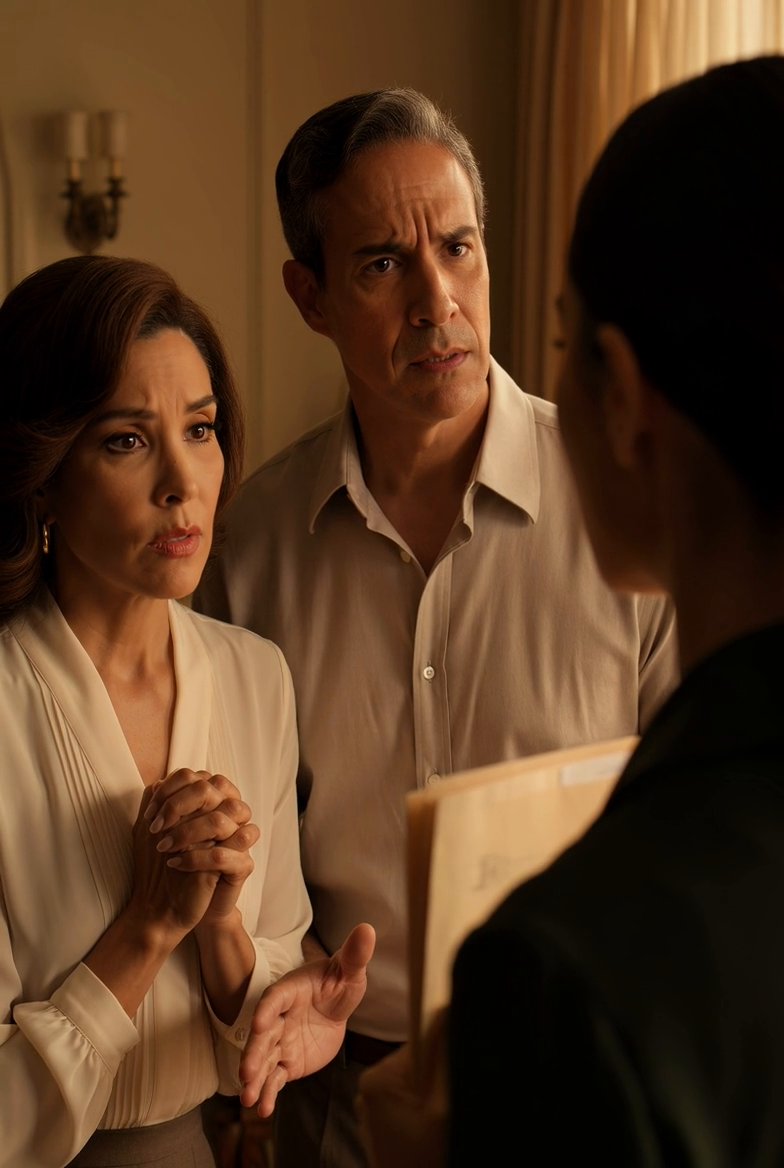
Marcus Reed had spent twenty-six years learning how to enter rooms where people had already decided what he was worth.
He had learned not to hurry when a receptionist ignored him.
Not to overexplain when a banker asked whether he truly controlled the company listed on his documents.
Not to raise his voice when somebody repeated a question to him more slowly, as though intelligence could be measured by skin color.
So when senior flight attendant Jennifer Hale looked directly at his boarding pass and said, “That seat isn’t for people like you,” Marcus did not shout.
He simply stopped walking.
Meridian Air Flight 702 was boarding at Chicago’s O’Hare International Airport on a cold Monday morning.
Marcus was scheduled to fly to New York for meetings that had been planned for months.
Only one thing had changed.
At 8:12 that morning, while Marcus was already inside the airport, attorneys had completed the final transfer of shares giving Northstar Holdings a fifty-eight-percent interest in Meridian Air.
Northstar was Marcus’s company.
The acquisition had been negotiated under strict confidentiality.
Even most Meridian employees did not yet know the buyer’s identity.
A formal announcement was scheduled for later that afternoon.
Marcus had actually preferred it that way.
For weeks, executives had tried to arrange a corporate aircraft for his first official trip after the closing.
Marcus refused.
“If I’m investing in an airline,” he had told his chief of staff, “I should experience the airline passengers experience.”
So he bought seat 1A himself.
Now Jennifer Hale stood between him and that seat.
She had fifteen years of service and the silver wings of a senior cabin employee pinned neatly above her navy uniform jacket.
“Economy is behind you,” she said.
Marcus glanced at the boarding pass in his hand.
“Seat 1A.”
Jennifer extended her fingers impatiently.
“Let me see that.”
He handed it over.
She examined the pass much longer than necessary.
Marcus watched two other first-class passengers walk around them.
Jennifer greeted both warmly without asking either person to prove anything.
“There must be a mistake,” she finally said.
“There isn’t.”
“Was this booked for you by somebody else?”
“No.”
Jennifer gave him a thin smile.
“These tickets are expensive.”
Marcus stared at her.
“I know.
I paid for it.”
A woman seated in 3C had begun recording with her phone.
Marcus noticed her only because the polished edge of the device reflected cabin light.
The woman, later identified as Tasha Monroe, ran a popular travel channel.
She had started filming because she believed an argument about an upgrade was developing.
Within thirty seconds, she realized she was recording something much uglier.
Marcus removed his wallet and produced the credit card used for the purchase.
Jennifer barely looked at it.
“Cards can be copied.”
That was the moment the first-class cabin changed.
Until then, several passengers had looked uncertain.
Maybe they assumed there really was a reservation problem.
After Jennifer accused Marcus of potentially using fraudulent payment information without checking anything, uncertainty disappeared.
A businessman in 2A said, “His name is on the manifest.
Just verify it.”
Jennifer shot him an irritated look.
“I know how to do my job.”
Marcus’s phone vibrated.
The screen showed a call from Meridian’s corporate headquarters in Atlanta.
He knew why.
The acquisition documents had