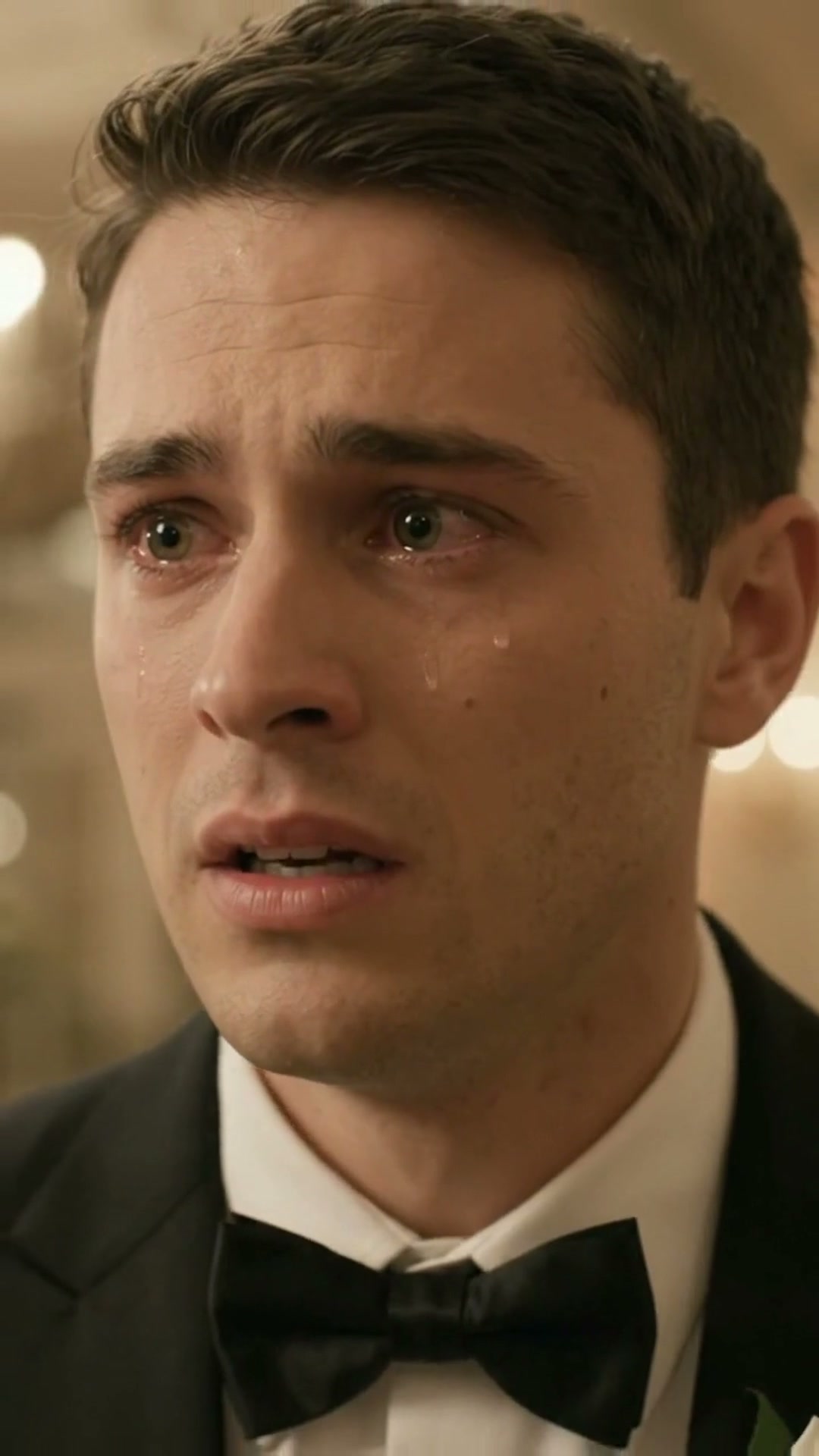
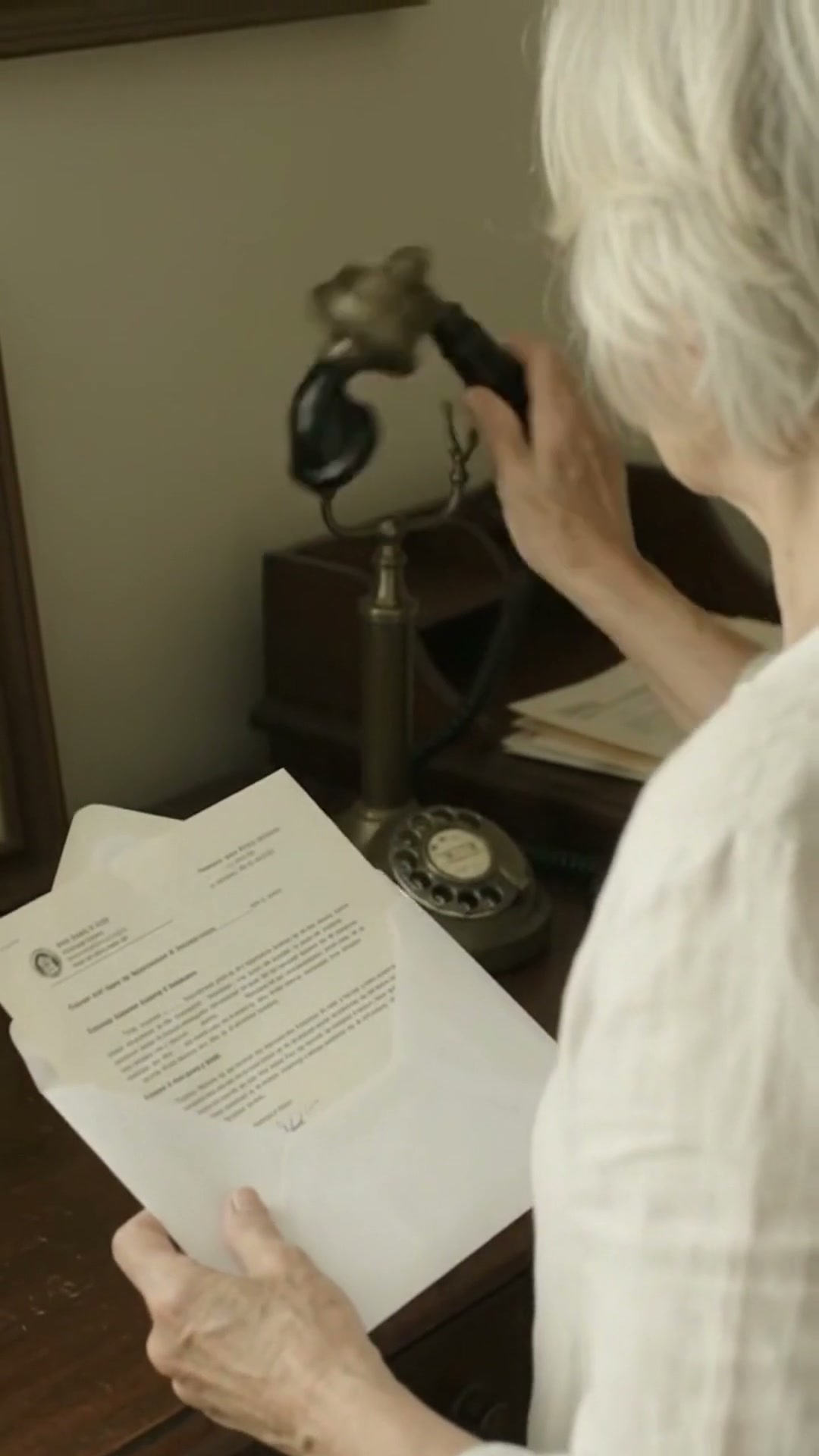
The first time I saw Nico Bellandi lose control, it was because I told him I had a date.
The glass he threw shattered against the hardwood floor of his private office, sending water across a stack of shipping contracts worth several million dollars.
For eight months, I had worked for the most feared businessman on Baltimore’s waterfront.
During that time, I had seen Nico receive threats, negotiate with dangerous men, and discover that one of his warehouses had been robbed of nearly half a million dollars.
None of those things had made him raise his voice.
But the words Evan Cole had changed something in him.
“Say that name again,” he ordered.
I stood beside his desk holding my handbag and the schedule for the following morning.
“Evan Cole,” I repeated.
“He’s taking me to dinner.
I requested to leave at six, and your seven o’clock appointment is already covered.”
Nico’s face went frighteningly still.
“Cancel it.”
I almost laughed.
“That’s not how this works.”
“Mara.”
“Mr.
Bellandi, I am your executive assistant.
I manage your calendar, correct your contracts, and remind your senior managers that shouting doesn’t make them intelligent.
My romantic life is not part of my employment agreement.”
His jaw tightened.
“Where did you meet him?”
“At a book sale.”
“Which one?”
“The charity event at St.
Anne’s Library.”
“When?”
“Two weeks ago.
Is there a reason you’re suddenly interested in secondhand literature?”
He did not smile.
“What does he do?”
“He works with historical archives.
We talked about books, old buildings, and jazz.
He seems like a perfectly ordinary man.”
“Ordinary men don’t always tell the truth about themselves.”
“Neither do dangerous ones.”
The words came out before I could stop them.
Nico stared at me.
Then, unexpectedly, he looked away.
That was the moment I became frightened.
Because Nico Bellandi never looked away first.
My name is Mara Quinn.
I was thirty years old, lived alone in a narrow brick apartment above a bakery, and had spent most of my adult life pretending I wasn’t haunted by a fire.
Eight years earlier, my father, Thomas Quinn, died at Pier Six, a waterfront warehouse where he worked as an electrician.
The official investigation concluded that faulty wiring had ignited stored materials.
Two men died, including the owner’s younger brother, Luca Bellandi.
The report also suggested that my father’s maintenance work might have caused the electrical failure.
I was twenty-two when the investigators explained that conclusion to my mother and me.
My mother had asked whether anyone had actually examined the wiring.
They said the equipment had been too badly damaged.
She asked why her husband had been working after his shift ended.
They couldn’t answer.
She asked why a man who had spent twenty-five years teaching electrical safety had supposedly ignored every procedure he knew.
They had no answer for that either.
Eventually, people stopped asking questions.
My mother stopped talking about the fire entirely.
She died three years later, still carrying the belief that my father’s reputation had been destroyed to protect someone else.
I couldn’t let it go.
That was part of the reason I applied to Bellandi Shipping eight months before the evening my boss shattered his glass.
The other reason was that the salary was excellent, and grief doesn’t pay rent.